POS for Retail
 Sales Hub
 Product Hub
 Inventory Management
 Whatsapp Marketing
 Marketing Automation
 Browser Notification
 Email Marketing
 Fusion Mail
 SMS Marketing
 Fusion SMS
How Local Businesses Can Build a Customer Database
A practical guide for cafes, salons, clinics, retail stores, and wellness businesses that want to build a consent-based customer database.
A customer database is more than a spreadsheet of names and phone numbers. For a local business, it should become a practical growth asset. It should help the business understand who visited, what they responded to, and how to invite them back.
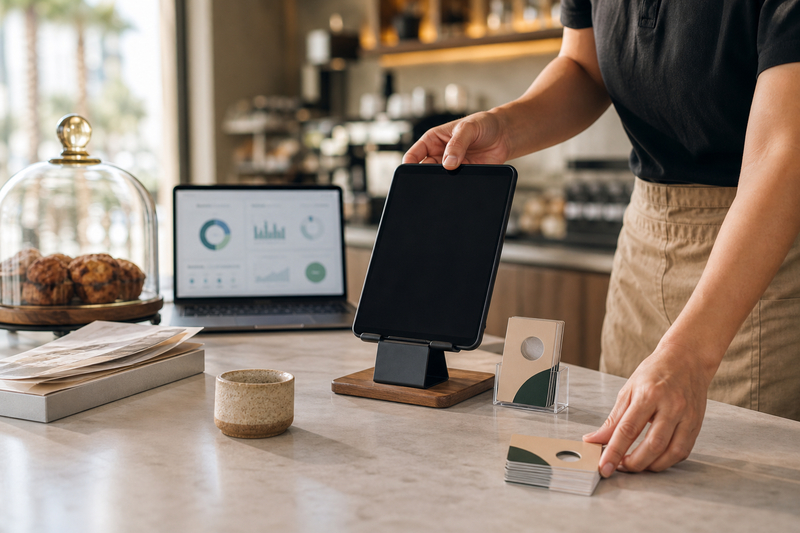
The best place to start is the visit itself. Customers can join through a QR code, counter device, receipt link, or staff prompt. The flow should be short and clear. Asking for too much information too early can reduce participation. In many cases, a name and contact detail are enough to begin.
The customer also needs a reason to participate. A reward, loyalty benefit, giveaway, next-visit offer, or special invitation can create that reason. WDC Engage packages this as a branded reward flow, so the customer feels like they are joining a campaign rather than filling out a generic form.
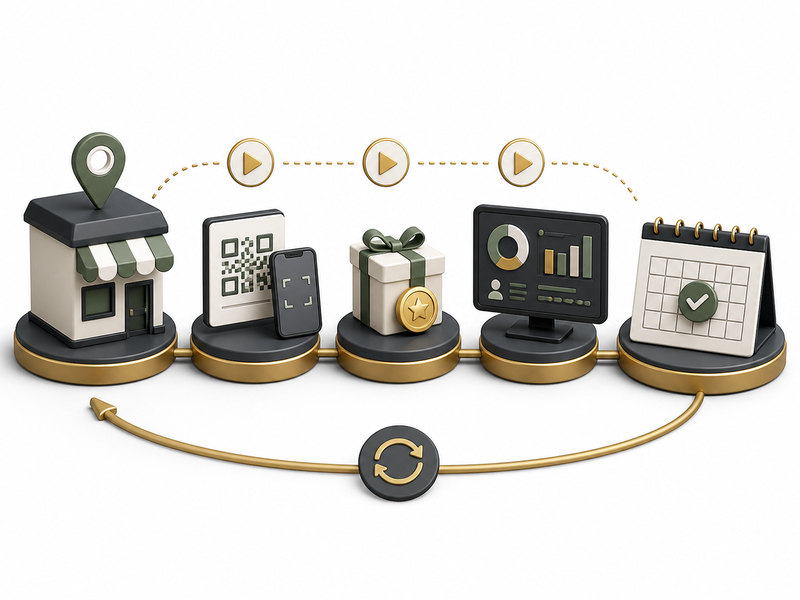
Once the data is captured, the business can begin segmenting. New customers, repeat visitors, reward winners, non-redeemers, inactive customers, and loyal customers should not all receive the same message. A cafe may invite first-time guests back with a second-visit offer. A salon may send rebooking reminders. A clinic may share a relevant follow-up. A retail store may announce product drops to interested customers.
The database becomes more useful when it is connected to campaign performance. Which reward created the best response? Which channel drove the most redemptions? Which customer group is ready for a follow-up? AI-assisted insights can help answer these questions.
For local businesses, the goal is not to collect data for its own sake. The goal is to turn anonymous visits into owned relationships and repeatable revenue opportunities.