POS for Retail
 Sales Hub
 Product Hub
 Inventory Management
 Whatsapp Marketing
 Marketing Automation
 Browser Notification
 Email Marketing
 Fusion Mail
 SMS Marketing
 Fusion SMS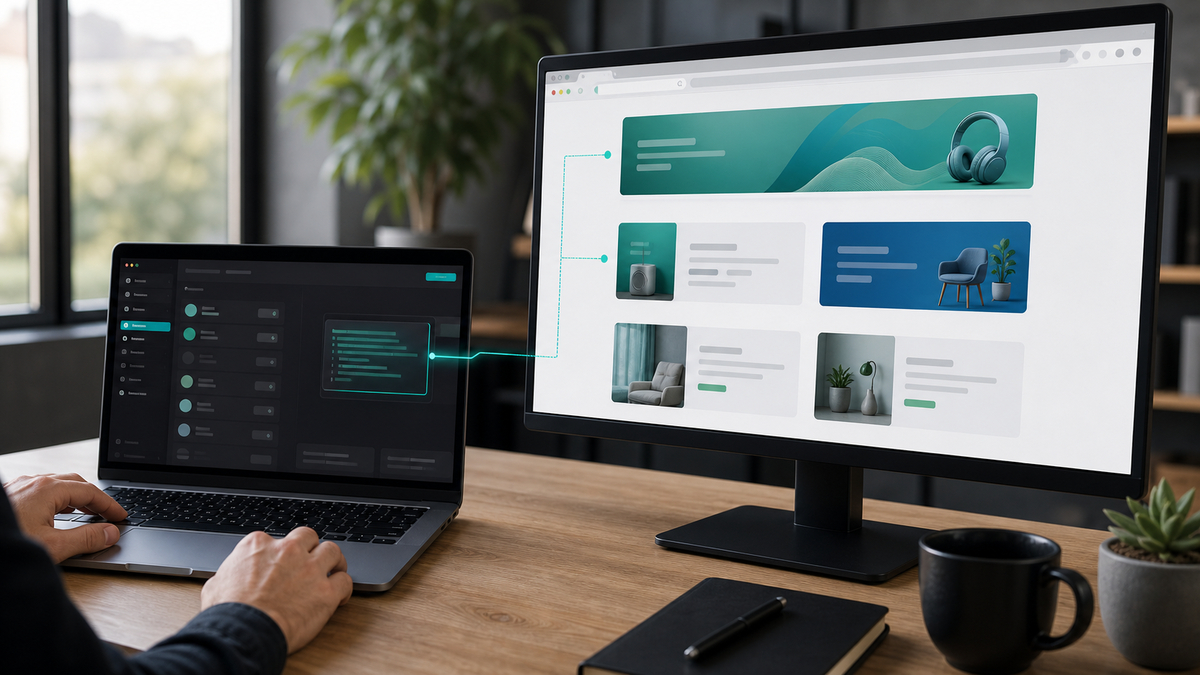
How One-Line Code Integration Simplifies Banner Deployment
Learn how one-line code integration helps teams deploy and update website banners without plugin complexity or developer bottlenecks.
A banner platform is only useful if it can be deployed easily. If every campaign requires a developer, a release cycle, a plugin conflict check, or manual page edits, marketing speed suffers. Simple integration is a major advantage.
Banner Manager can be integrated into a website by adding just one line of code. This means the website can connect to the banner management platform without turning every banner update into a development task.
The benefit appears after the first setup. Marketing teams can create, activate, test, and monitor banners from the platform. Developers do not need to update the website for every new pop-up, product showcase, video banner, or campaign creative.
This is useful for businesses that run frequent campaigns. E-commerce teams may need to update seasonal promotions, category banners, coupon offers, or product showcases quickly. SaaS teams may need to promote demos, releases, resources, or onboarding flows. Service businesses may need to change lead generation offers often.
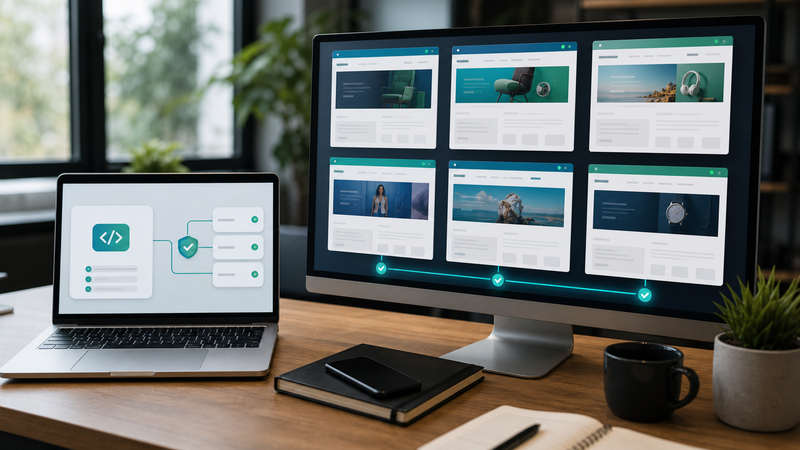
One-line integration also reduces maintenance complexity. Instead of managing several banner plugins or custom scripts, the website uses one connection point. That makes governance easier and keeps the marketing workflow cleaner.
Banner Manager is built for teams that want banner control without constant technical dependency. Once the integration is in place, the marketing team can move faster while the website remains structured and measurable.
This is a practical advantage for teams that need to respond quickly to market changes. A new campaign, product launch, limited offer, or seasonal message can be published without waiting for a full development cycle. The website becomes easier to adapt without becoming harder to maintain.
Simple deployment also makes experimentation more realistic. If every test requires engineering time, teams naturally test less often. When the banner layer is controlled through one platform, marketers can try more creative variations, compare results, and keep improving the experience.
For businesses building content to attract search traffic, this flexibility matters after the visitor lands. Banner Manager helps turn informational pages, product pages, and campaign pages into more active conversion surfaces while keeping the technical setup lightweight.