POS for Retail
 Sales Hub
 Product Hub
 Inventory Management
 Whatsapp Marketing
 Marketing Automation
 Browser Notification
 Email Marketing
 Fusion Mail
 SMS Marketing
 Fusion SMS
Why Should Email Templates and Dynamic Variables Be Managed Together?
Learn how email templates and dynamic variables work together to create scalable, personalized, and maintainable transactional email workflows.
If templates and variables are not managed properly, transactional email systems can quickly become difficult to maintain. As applications grow and new workflows are added, storing every email body directly inside application code creates unnecessary complexity. Development teams must update code for even minor content changes, while marketing and operations teams become dependent on software releases to adjust messaging. Over time, this approach can slow development, increase maintenance costs, and introduce inconsistencies across customer communications.
A centralized template architecture solves many of these challenges. Instead of creating separate email content for every workflow, organizations can manage reusable templates from a single location and populate them dynamically with user-specific information. This creates a more scalable and reliable communication system while ensuring consistent branding, formatting, and messaging across all transactional emails.
Fusion Email supports unlimited templates and unlimited custom variables within those templates. Dynamic fields such as customer name, order ID, reset link, invoice amount, shipping status, payment confirmation details, account activity information, subscription data, verification codes, and support ticket references can be inserted automatically into the appropriate email structure. This allows organizations to personalize communications without creating separate templates for every possible scenario.
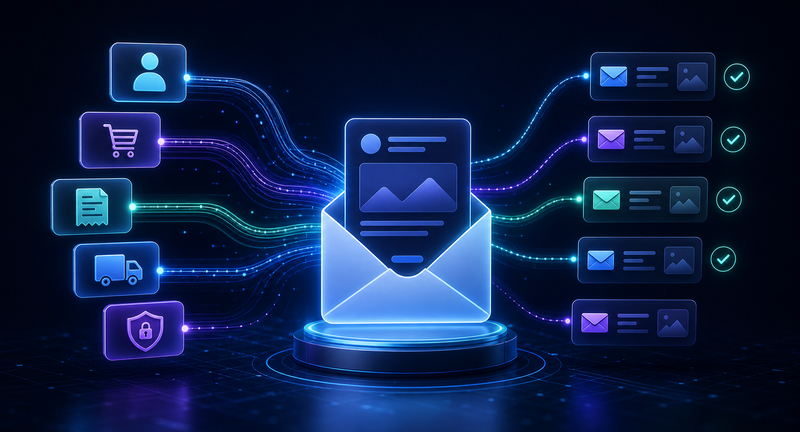
The benefits extend beyond personalization. Technical teams can focus on application logic while operational teams manage content independently. Developers simply connect application events to the appropriate template ID and pass the required variables through the API. Marketing, customer experience, and operations teams can then update wording, branding, or messaging from a centralized dashboard without requiring code changes or application deployments. This separation of responsibilities improves agility and reduces friction between teams.
A centralized template system also improves long-term maintainability. When legal requirements change, branding is updated, or messaging needs to be revised, organizations can make updates in one place rather than searching through multiple code repositories and workflows. This reduces the risk of outdated content remaining active in production and helps maintain a consistent customer experience across all touchpoints.
Dynamic variables play an equally important role in improving user experience. Customers expect transactional emails to contain accurate, relevant, and personalized information. A password reset email should include the correct reset link. An order confirmation should display the correct order number and purchase details. A shipping notification should contain accurate tracking information. When users receive emails tailored to their specific actions, they are more likely to trust the communication and engage with it.
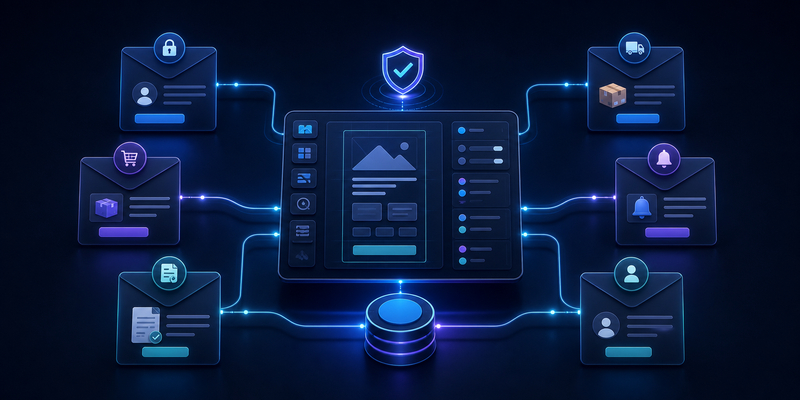
Conversely, inaccurate personalization can damage trust almost immediately. A missing order number, an incorrect customer name, outdated account information, or a broken reset link can create confusion and generate unnecessary support requests. In some cases, these issues may even affect customer retention and brand perception. Centralized templates combined with structured variable management help reduce these risks by ensuring that the right data is inserted into the right message every time.
For growing SaaS platforms, e-commerce businesses, marketplaces, subscription services, and enterprise applications, template and variable management are not simply technical features. They are foundational components of a scalable transactional email strategy. By combining reusable templates, dynamic variables, centralized management, and API-driven automation, Fusion Email helps organizations deliver more consistent, reliable, and maintainable customer communications at scale.