POS for Retail
 Sales Hub
 Product Hub
 Inventory Management
 Whatsapp Marketing
 Marketing Automation
 Browser Notification
 Email Marketing
 Fusion Mail
 SMS Marketing
 Fusion SMS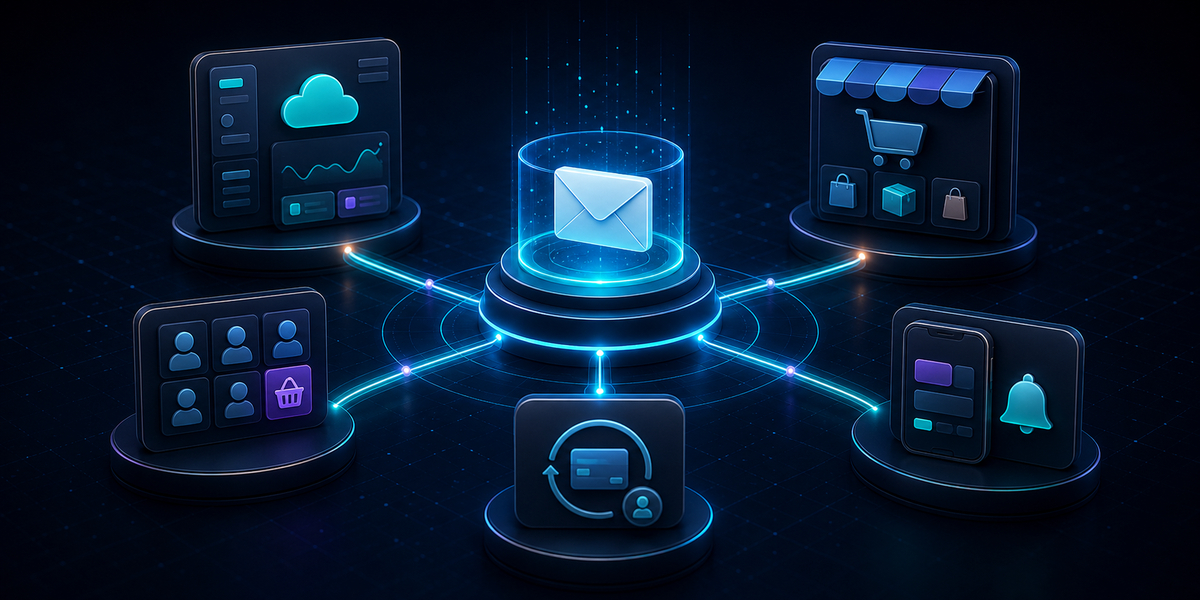
Which Businesses Should Use Fusion Email?
Learn how Fusion Email supports SaaS, e-commerce, marketplace, and subscription businesses with reliable transactional email delivery.
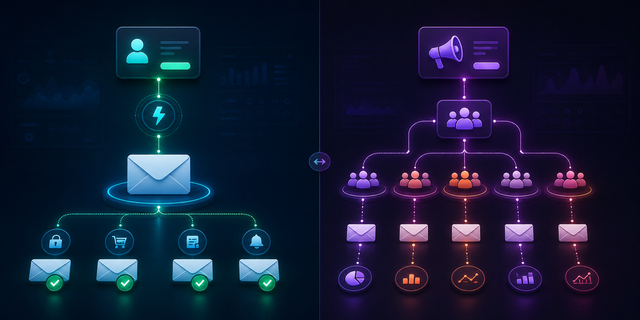
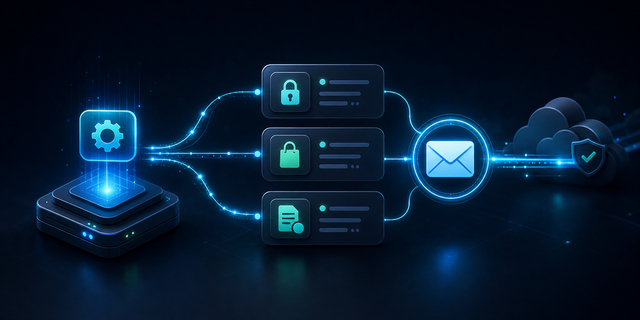
Fusion Email is designed for businesses that send automated, event-driven, and business-critical emails directly from their applications. If a company sends registration confirmations, password reset emails, order confirmations, invoices, payment receipts, shipping updates, account activity alerts, security notifications, subscription reminders, or other system-generated communications, it requires a reliable transactional email infrastructure.
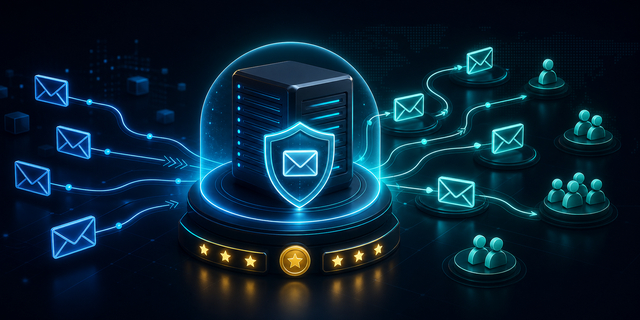
In modern digital products, email is often a core part of the user experience. Users expect important messages to arrive quickly, contain accurate information, and be available exactly when needed. A delayed password reset email can prevent account access, while a missing order confirmation can create uncertainty and increase support requests. Because of this, transactional email is not simply a communication channel—it is an operational layer that helps maintain trust between businesses and their customers.
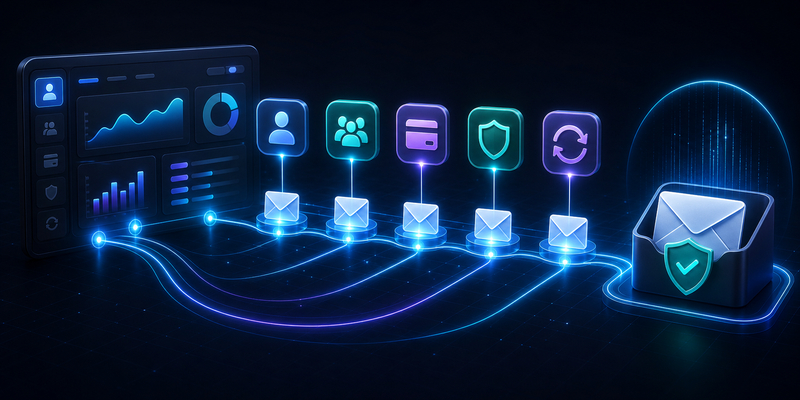
For SaaS companies, Fusion Email supports critical stages throughout the user lifecycle. Registration confirmations, team invitations, account activation emails, subscription updates, billing notifications, password resets, security alerts, and onboarding workflows all become part of the product experience. These communications need to be delivered quickly, monitored consistently, and measured accurately. Reliable email delivery helps improve customer satisfaction, reduce support volume, and create a smoother product journey.
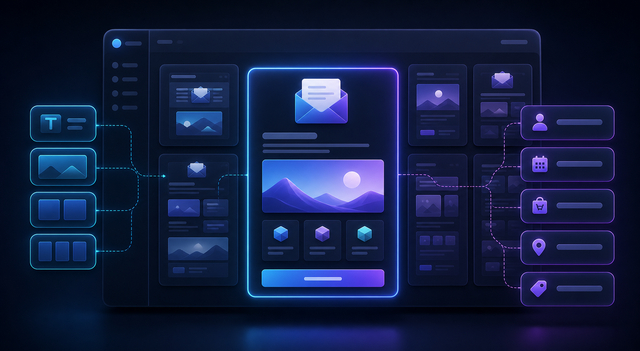
For e-commerce businesses and marketplace platforms, transactional email plays an equally important role. Order confirmations, payment receipts, invoices, shipping notifications, delivery updates, return requests, and account activity alerts help customers stay informed throughout the purchasing process. Customers expect accurate information after every action they take. Fusion Email's template management and dynamic variable system help ensure that these communications remain consistent, personalized, and scalable as transaction volumes grow.
Subscription-based businesses can also benefit from transactional email automation. Membership renewals, payment reminders, plan upgrades, cancellation confirmations, trial expiration notices, and account status updates are all examples of communications that directly affect customer retention and revenue. Delivering these messages reliably can improve customer experience while reducing operational friction.
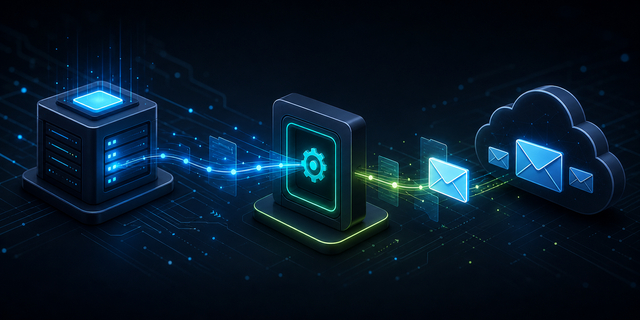
For development teams, one of the biggest advantages of Fusion Email is its API-first architecture. Email functionality can be integrated directly into applications using API keys, template IDs, and dynamic variables. Developers can connect application events to specific email workflows without embedding email content into application code. This approach simplifies maintenance, improves scalability, and allows teams to manage communications more efficiently as products evolve.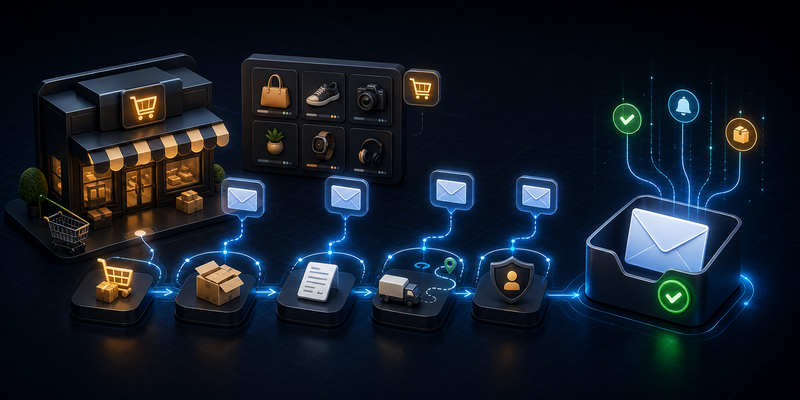
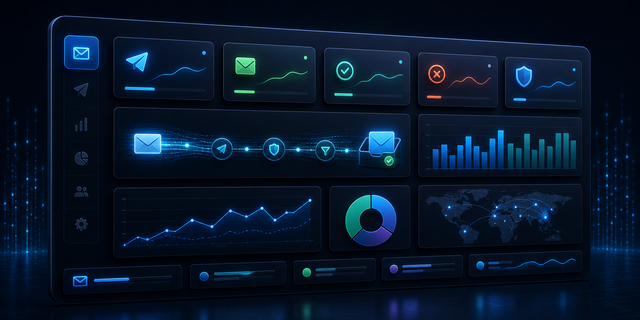
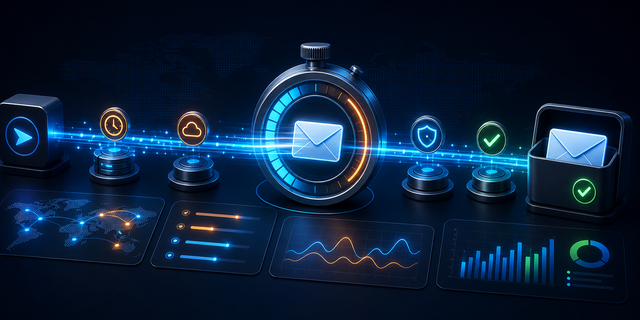
For operations teams, customer success teams, and business managers, visibility is equally important. Fusion Email provides dashboards, provider-level analytics, delivery time tracking, bounce monitoring, open-rate reporting, and historical trend analysis. Metrics such as delivery performance, provider behavior, engagement rates, and 15-day trend reports help teams make informed decisions based on real operational data rather than assumptions.
The platform is particularly valuable for organizations that need both reliability and accountability. Instead of simply sending emails, teams can understand how those emails perform after sending, identify delivery issues early, monitor provider-specific behavior, and continuously improve communication workflows.
In short, Fusion Email is built for SaaS platforms, e-commerce businesses, marketplaces, subscription services, enterprise applications, and any organization that depends on automated customer communications. It provides the infrastructure, visibility, and scalability needed to make critical email workflows reliable, measurable, and easier to manage as a business grows.