POS for Retail
 Sales Hub
 Product Hub
 Inventory Management
 Whatsapp Marketing
 Marketing Automation
 Browser Notification
 Email Marketing
 Fusion Mail
 SMS Marketing
 Fusion SMS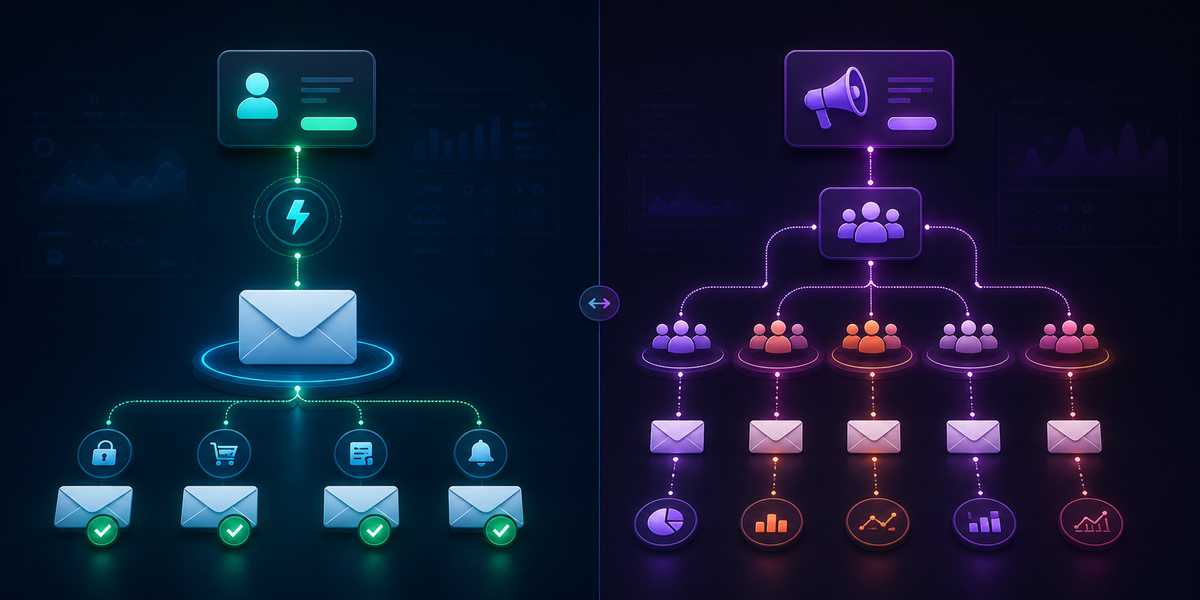
What Is the Difference Between Transactional Email and Email Marketing?
Understand the key differences between transactional email and email marketing, and why separate infrastructure improves reliability and performance.
Transactional email and email marketing may use the same communication channel, but they serve very different purposes. Both are delivered through email, yet the goals, expectations, success metrics, and technical requirements behind them are fundamentally different. Understanding these differences is important for businesses that want to build reliable communication systems and deliver better customer experiences.
Email marketing is designed to support growth, engagement, and customer relationships. Businesses use it to send promotional campaigns, product announcements, newsletters, segmented offers, event invitations, and other marketing communications. Success is typically measured through metrics such as open rates, click-through rates, conversions, revenue attribution, and subscriber engagement. These messages are often scheduled, tested, and optimized as part of a broader marketing strategy.
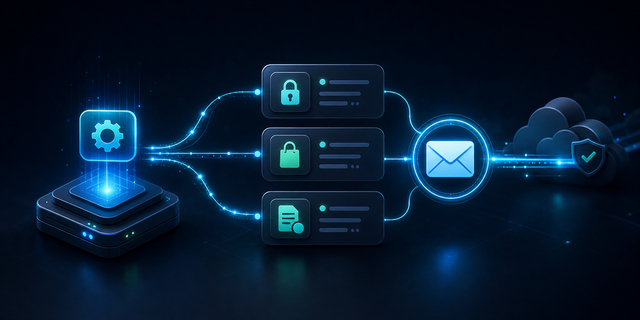
Transactional email serves a different role. It is triggered automatically by a user's action or a system event and contains operational information that the recipient expects to receive. Common examples include password reset emails, account verification messages, order confirmations, payment receipts, invoices, shipping notifications, subscription updates, and security alerts. These messages are not optional communications. They are often required for the user to complete an action or continue using a service.
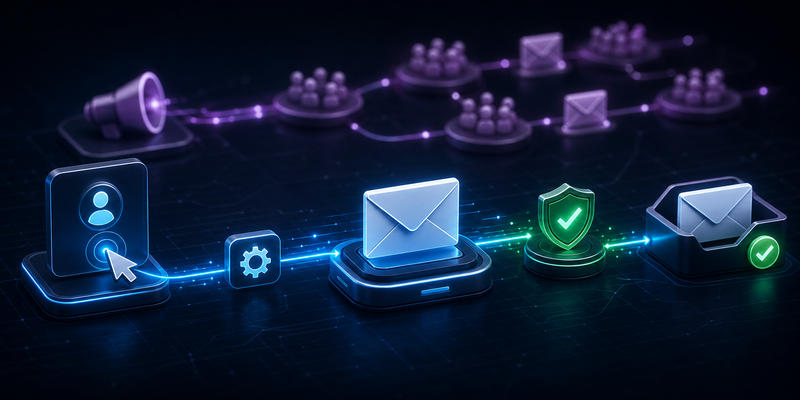
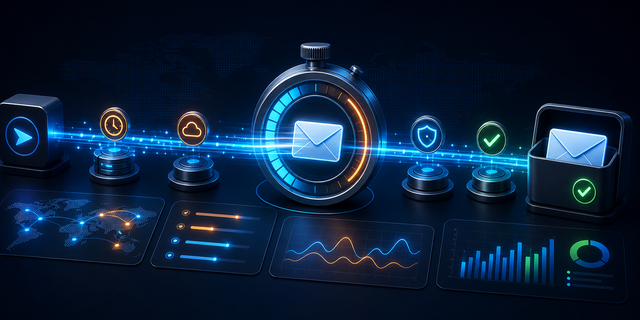
This distinction has a direct impact on infrastructure decisions. Marketing emails are typically sent in large batches according to planned schedules. Transactional emails, on the other hand, must be delivered immediately and reliably. When a user requests a password reset or completes a purchase, they expect the corresponding email to arrive within seconds. Delays can create frustration, increase support requests, and reduce trust in the product or service.
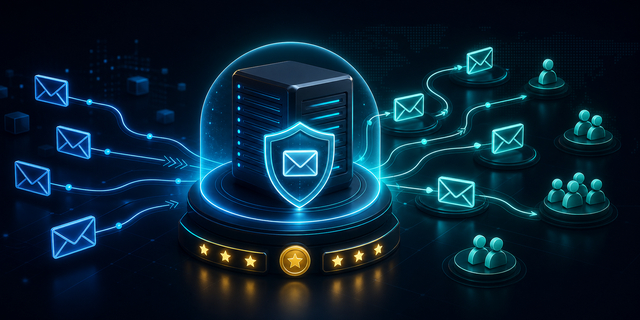
Because transactional emails are mission-critical, they should not be affected by marketing campaign traffic, bulk-sending experiments, A/B tests, or promotional email spikes. Sharing the same sending infrastructure for both types of communication can sometimes introduce unnecessary risk. For this reason, many organizations choose to separate transactional email workflows from marketing email operations.
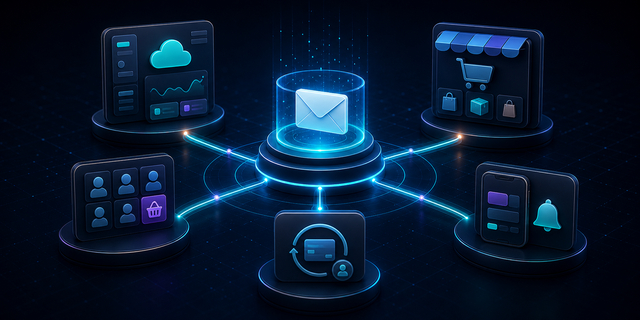
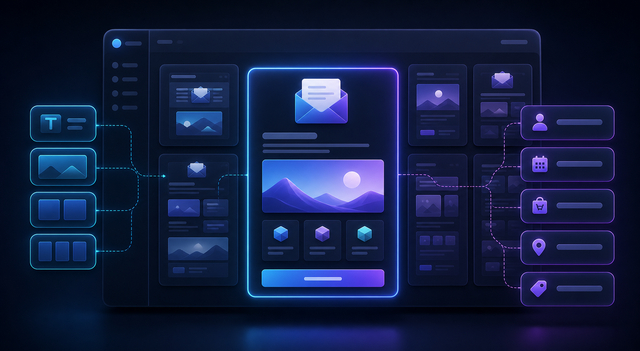
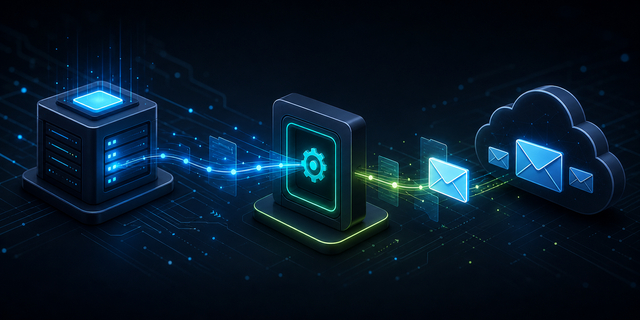
Fusion Email is specifically designed for application-triggered transactional email workflows. Its API-first architecture allows developers to connect product events directly to email actions. Using API keys, template IDs, and dynamic variables, applications can automatically generate and deliver the correct email whenever an important event occurs. This creates a scalable and maintainable communication system that integrates directly into the product experience.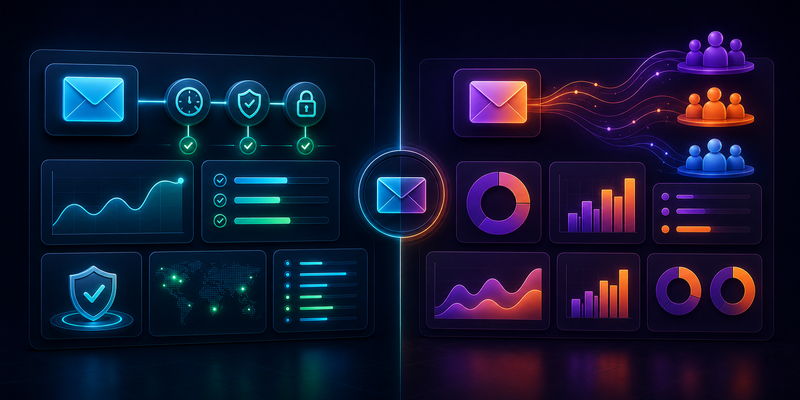
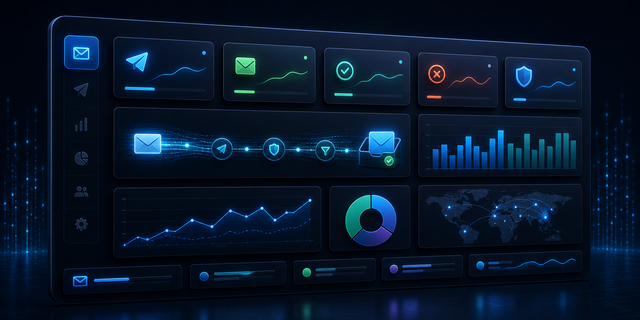
Beyond email delivery, Fusion Email also provides operational visibility through delivery time tracking, bounce monitoring, open-rate reporting, provider-level analytics, and detailed logs. These capabilities help teams understand not only whether an email was sent, but also how well it performed after sending. Visibility into delivery outcomes is especially important for critical transactional workflows where reliability directly impacts customer satisfaction.
A modern business will often use both email marketing and transactional email infrastructure and in many cases, it should. The two approaches complement each other but solve different problems. Email marketing helps attract, engage, and retain customers through ongoing communication and promotional activity. Transactional email supports essential product interactions and ensures users receive the information they need at the right moment.
The key difference is that email marketing is primarily a growth and relationship channel, while transactional email is a trust, operations, and user experience channel. One focuses on engagement and conversion; the other focuses on reliability and successful user interactions. Both are important, but they should be managed according to their unique requirements.
Fusion Email is built specifically for organizations that need reliable, measurable, and scalable transactional email delivery. By combining API-driven automation, centralized template management, analytics, and operational monitoring, it provides the infrastructure required to support critical application communications at scale.