 WDC Pos
 Sales Hub
 Product Hub
 Inventory Management
 Whatsapp Marketing
 Marketing Automation
 Browser Notification
 Email Marketing
 Fusion Mail
 SMS Marketing
 Fusion SMS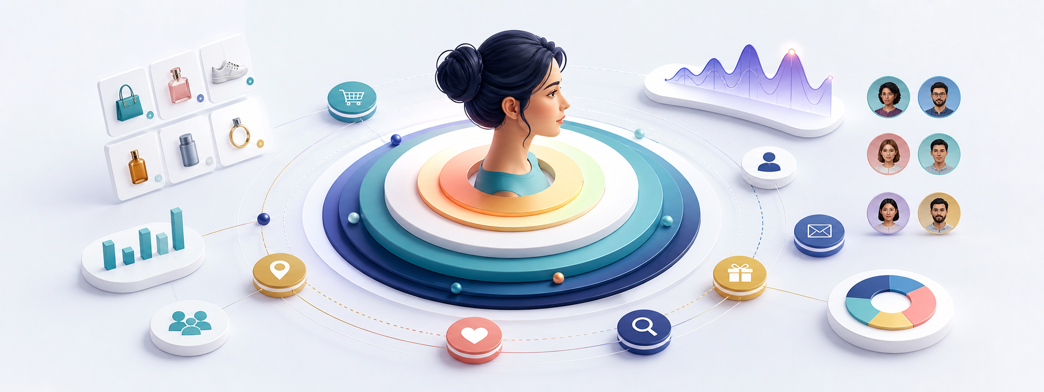
Customer Segmentation for SMS Marketing
See how customer segmentation improves SMS marketing with cleaner databases, CRM signals, lifecycle groups, and useful campaign audiences.
Customer segmentation for SMS marketing is the practice of grouping subscribers by shared behavior, value, lifecycle stage, preferences, or context so SMS campaigns can be more relevant and easier to measure. In simple terms, customer segmentation helps marketers decide who should receive a message, who should be excluded, and what message is most useful for that audience.
Why customer segmentation matters in SMS
SMS has less room for explanation than email and less tolerance for irrelevant timing. A broad promotional blast may reach many people, but only a portion of them may be ready to act. Segmentation narrows the audience around real intent, such as a recent click, abandoned cart, purchase history, or account milestone.
Key segmentation models
| Model | What it groups | SMS use case |
|---|---|---|
| Lifecycle | New, active, VIP, inactive, churn-risk | Welcome, loyalty, or reactivation messages |
| Behavioral | Clicks, product views, carts, purchases | Triggered reminders and follow-ups |
| Value-based | Total spend, frequency, order value | VIP access or high-value retention |
| Preference-based | Category, location, language, channel preference | More relevant product or local messages |
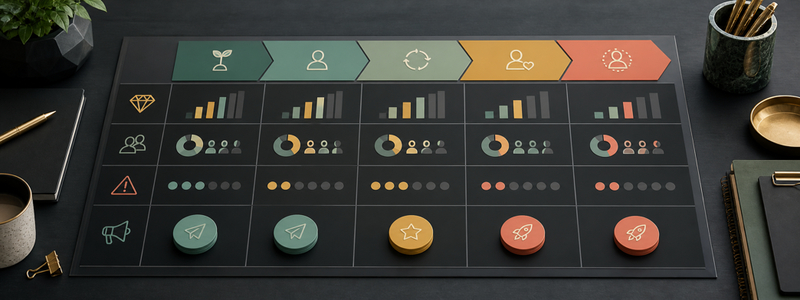
How to build better SMS customer segments
- Define the decision the segment should support.
- Choose reliable data fields from CRM, ecommerce, SMS clicks, and consent records.
- Set a time window so the segment reflects current behavior.
- Add exclusions for opt-outs, recent buyers, and over-contacted subscribers.
- Measure the audience separately after the campaign.
A good customer segmentation software workflow should make these steps repeatable. Teams should be able to preview audience size, understand why someone entered a segment, and compare performance across groups.
Examples
- Customers who clicked a product launch SMS but did not purchase.
- Repeat buyers who have not ordered in their usual cycle.
- Local customers near a store, pickup point, or event.
- High-value customers eligible for private offers or early access.
- Support-active customers who should be excluded from sales messages.
Common mistakes
Many teams create too many segments before cleaning their data. Others create segments that do not change the campaign. If the copy, timing, offer, and measurement are the same, the audience may not need to be separate. Segmentation should simplify decisions, not create operational clutter.
FAQ
What is customer segmentation for SMS marketing?
It is the process of grouping SMS subscribers by behavior, lifecycle stage, value, or preferences so campaigns can be more relevant.
Which customer segments are most useful for SMS?
Useful segments include new subscribers, cart abandoners, recent buyers, VIP customers, inactive customers, and engaged non-buyers.
How does segmentation improve SMS results?
It improves relevance, timing, reporting, and customer experience by matching messages to audience context.
Can customer segmentation reduce unsubscribes?
It can help by reducing irrelevant messages and limiting over-contacting, although teams still need to monitor frequency and campaign quality.
What data sources support customer segmentation?
CRM records, ecommerce data, SMS clicks, product views, purchase history, location, consent records, and support data are common sources.