 WDC Pos
 Sales Hub
 Product Hub
 Inventory Management
 Whatsapp Marketing
 Marketing Automation
 Browser Notification
 Email Marketing
 Fusion Mail
 SMS Marketing
 Fusion SMS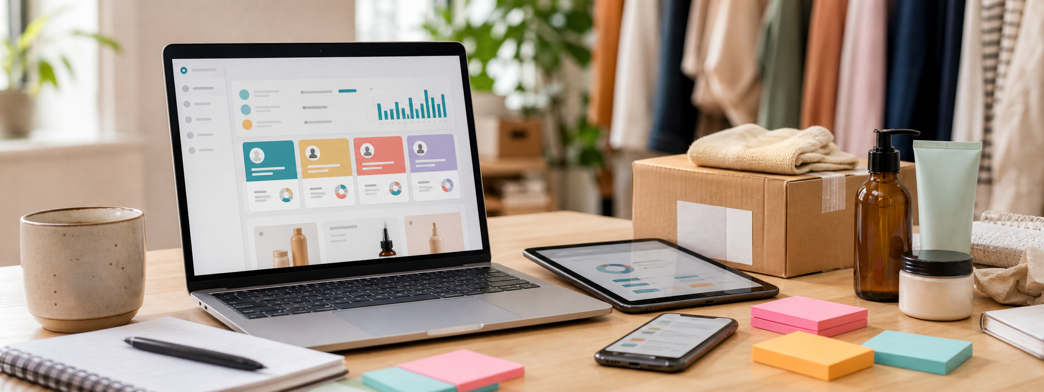
Email Segmentation Guide for E-Commerce Teams
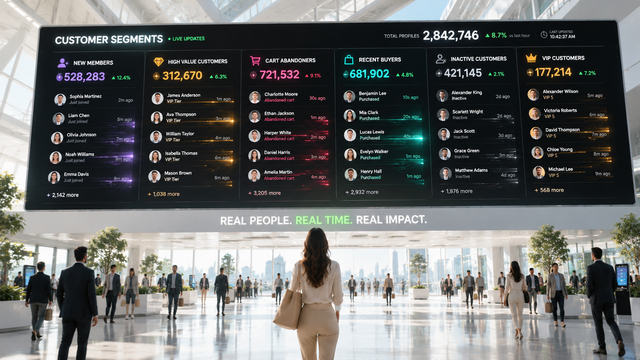
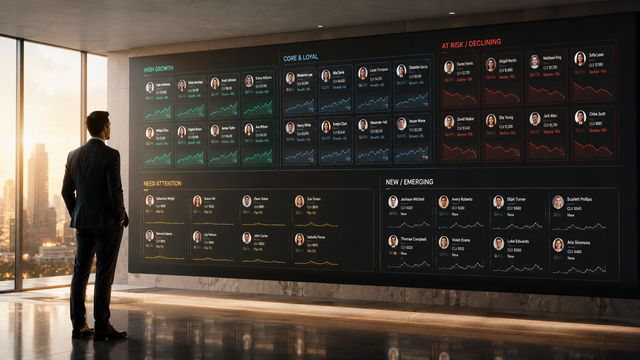
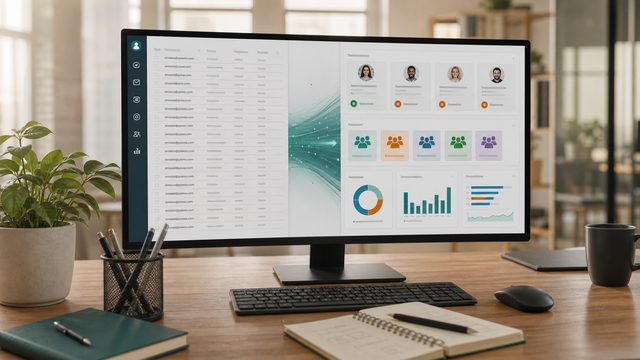
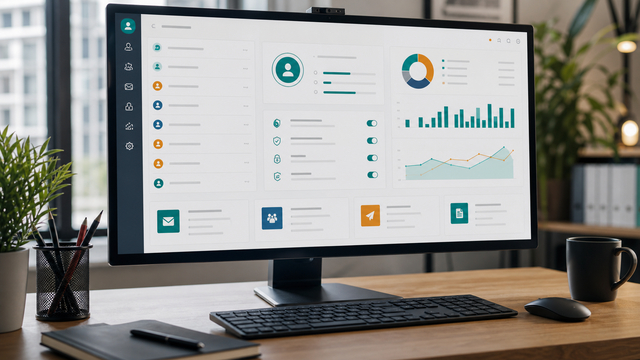
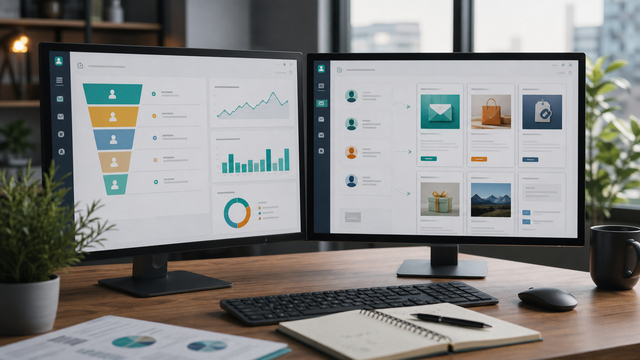
Email segmentation dashboard for e-commerce with customer groups, personalized campaigns, and marketing automation
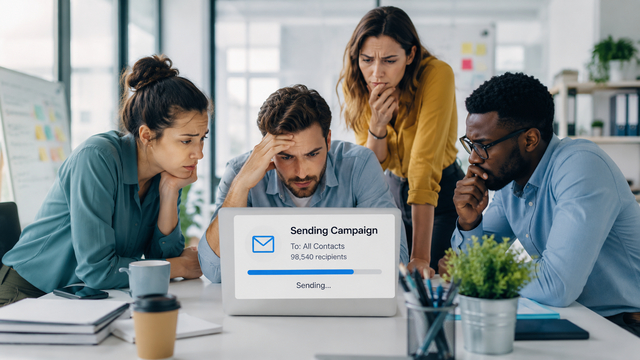
Email marketing remains one of the most effective ways for e-commerce businesses to engage customers and drive repeat purchases. However, sending the same message to every subscriber rarely delivers the best results.
Customers have different interests, shopping habits, and purchase histories. Treating every customer the same often leads to lower open rates, fewer conversions, and higher unsubscribe rates.
Email segmentation helps businesses create more relevant campaigns by grouping customers based on shared characteristics and behaviors.
What Is Email Segmentation?
Email segmentation is the process of dividing your email audience into smaller groups based on specific criteria.
Instead of sending one campaign to your entire mailing list, businesses can tailor messages to customers who are more likely to respond to a particular offer or piece of content.
Segmentation can be based on:
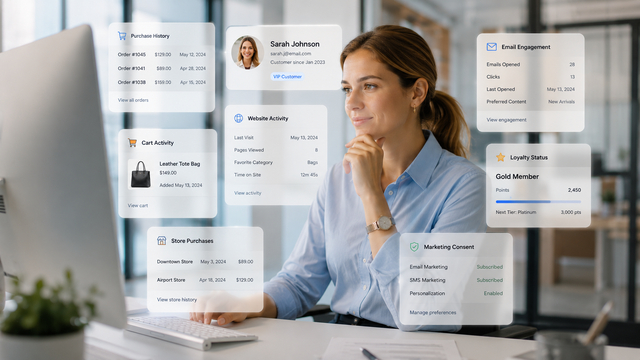
- Purchase history
- Shopping behavior
- Customer location
- Product preferences
- Order frequency
- Average order value
- Website activity
- Loyalty status
The more relevant your emails are, the more valuable they become to your customers.
Why Segmentation Matters
Every customer is at a different stage of their buying journey.
A first-time visitor has different expectations than a loyal customer who has made multiple purchases. Likewise, someone who recently abandoned their shopping cart requires a different message than someone who has not interacted with your brand for several months.
Segmenting your audience helps businesses:
- Increase email open rates
- Improve click-through rates
- Generate more conversions
- Reduce unsubscribe rates
- Build stronger customer relationships
Rather than increasing the number of emails you send, segmentation focuses on improving the quality and relevance of every campaign.

Common Customer Segments for E-Commerce
There is no universal segmentation strategy, but most successful e-commerce businesses start with a few practical customer groups.
Some common examples include:
- New subscribers
- First-time buyers
- Repeat customers
- High-value customers
- Customers with abandoned carts
- Inactive customers
- Customers interested in specific product categories
- Seasonal shoppers
Each segment can receive messaging that reflects its unique needs and behaviors.
Use Customer Behavior to Personalize Campaigns
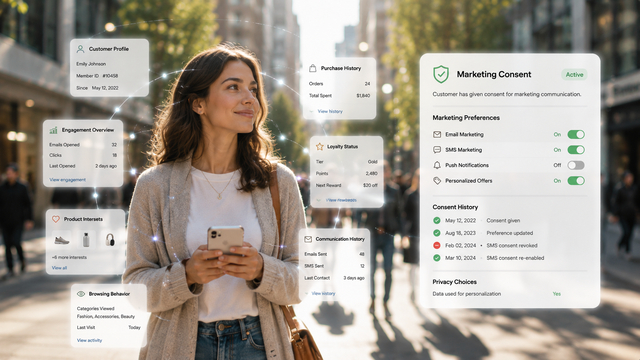
Behavioral data is one of the most valuable sources for email segmentation.
Instead of relying only on demographic information, businesses can create campaigns based on how customers interact with their store.
For example, you can send:
- Product recommendations based on previous purchases
- Restock notifications for frequently purchased items
- Exclusive offers for loyal customers
- Follow-up emails after a completed purchase
- Re-engagement campaigns for inactive customers
Personalized communication helps customers feel understood rather than marketed to.
Keep Your Segments Updated
Customer behavior changes over time.
Someone who was once a first-time buyer may become a loyal customer within a few months. Likewise, an active customer may become inactive if they stop purchasing.
For this reason, email segments should update automatically based on real-time customer activity.
Dynamic segmentation ensures customers always receive content that matches their current relationship with your business.
Measure the Performance of Each Segment
Segmentation is not only about creating groups. It is also about understanding which strategies perform best.
Track performance metrics such as:
- Open rate
- Click-through rate
- Conversion rate
- Revenue per campaign
- Unsubscribe rate
- Repeat purchase rate
Comparing these metrics across different customer segments helps businesses continuously improve their email marketing strategy.
Connect Email Marketing with Your Business Data
The most effective email campaigns rely on accurate and connected customer data.
When email marketing is linked with sales, inventory, customer profiles, and purchase history, businesses can create highly relevant campaigns without relying on manual processes.
A connected system also makes it easier to automate customer journeys and respond to changing customer behavior in real time.

How WDC Studio Supports Smarter Email Marketing
WDC Studio connects customer data from multiple business systems, giving e-commerce teams a centralized view of customer activity.
By combining sales data, purchase history, customer profiles, and business insights, WDC Studio helps businesses create more targeted marketing campaigns and build meaningful customer segments.
With connected data and real-time visibility, marketing teams can deliver more personalized communication while reducing manual work.
Turn Better Data Into Better Campaigns
Successful email marketing is not about sending more emails. It is about sending the right message to the right customer at the right time.
By using segmentation to understand customer behavior and personalize communication, e-commerce teams can increase engagement, improve conversions, and strengthen long-term customer relationships.
With the right technology supporting your marketing efforts, every campaign becomes an opportunity to create more relevant customer experiences and drive sustainable business growth.