 WDC Pos
 Sales Hub
 Product Hub
 Inventory Management
 Whatsapp Marketing
 Marketing Automation
 Browser Notification
 Email Marketing
 Fusion Mail
 SMS Marketing
 Fusion SMS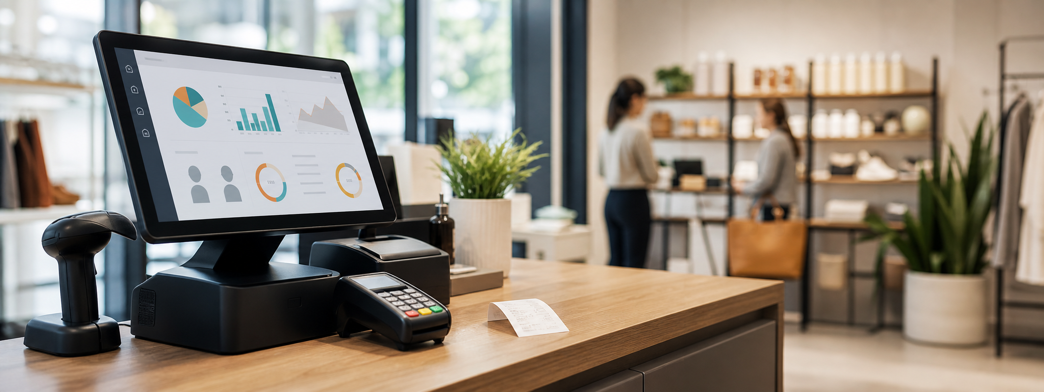
POS Data: How Retailers Turn Transactions Into Marketing Actions
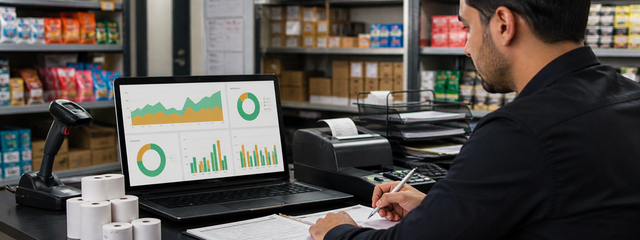
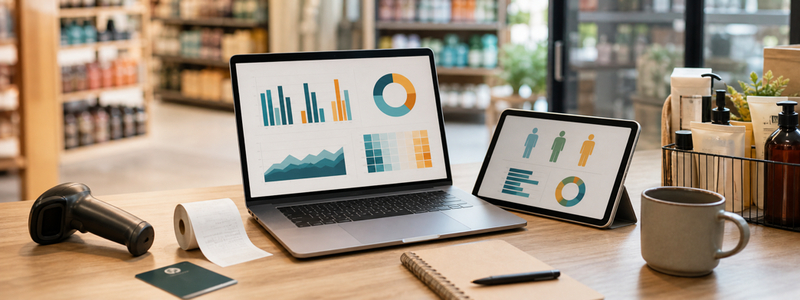
POS data dashboard showing real-time sales analytics, customer insights, and retail marketing performance
Every transaction tells a story.
Behind every purchase is valuable information about customer behavior, buying habits, product performance, and sales trends. Yet many retailers use their Point of Sale (POS) system only to process payments, leaving a wealth of business intelligence untapped.
Modern retailers can do much more with POS data. By analyzing transaction data in real time, businesses can create more effective marketing campaigns, improve customer loyalty, and make smarter business decisions.
What Is POS Data?
POS data refers to the information generated every time a customer completes a purchase.
This data can include:
- Products purchased
- Transaction value
- Date and time of purchase
- Store location
- Payment method
- Customer information
- Discounts and promotions applied
- Sales by employee or checkout lane
When collected and analyzed properly, this information provides valuable insights that help retailers better understand both their customers and their business.
Why POS Data Matters
Retail businesses generate thousands of transactions every month. Looking at these transactions individually provides limited value. When combined, however, they reveal patterns that can drive growth.
Retailers can use POS data to answer questions such as:
- Which products sell together most often?
- Who are the most valuable customers?
- Which promotions generate the highest sales?
- What are the busiest shopping hours?
- Which products are purchased repeatedly?
- Which categories are growing or declining?
The answers help businesses move from assumptions to data-driven decision-making.
Personalize Marketing Campaigns
One of the biggest advantages of POS data is the ability to create personalized customer experiences.
Instead of sending the same promotion to every customer, retailers can build campaigns based on actual purchasing behavior.
For example, a customer who regularly buys premium coffee may receive an offer on complementary products, while another customer who frequently purchases household essentials can receive promotions that match their shopping habits.
Personalized marketing increases relevance, improves engagement, and helps build long-term customer loyalty.
Create Smarter Promotions
Not every promotion delivers the same results.
POS data allows retailers to understand which campaigns increase sales and which ones have little impact.
Businesses can analyze:
- Promotion performance
- Product combinations
- Basket size
- Customer response
- Redemption rates
These insights help retailers invest their marketing budget more effectively and continuously improve future campaigns.
Identify Sales Trends in Real Time
Customer demand changes throughout the day, week, and year.
Real-time POS analytics help retailers identify trends as they happen instead of waiting for monthly reports.
This allows businesses to:
- Respond quickly to changing demand
- Adjust pricing strategies
- Optimize inventory levels
- Improve product availability
- Plan seasonal campaigns with greater confidence
Faster insights lead to faster decisions.
Strengthen Customer Loyalty
POS data becomes even more valuable when connected with customer profiles or loyalty programs.
Retailers can recognize repeat customers, understand shopping frequency, measure customer lifetime value, and reward loyal shoppers with personalized offers.
Rather than relying only on discounts, businesses can build stronger relationships by providing offers that reflect individual purchasing behavior.
Improve Product Decisions
Marketing is only one part of the equation.
POS data also helps retailers understand which products deserve more visibility, which categories require attention, and where inventory investments should be made.
By analyzing transaction history, businesses can:
- Identify best-selling products
- Detect slow-moving inventory
- Discover cross-selling opportunities
- Improve assortment planning
- Optimize product placement
Better product decisions often lead to better customer experiences.
Connect Data Across Your Business
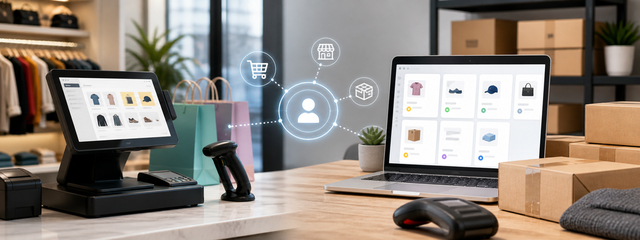
POS data becomes even more powerful when it is connected with inventory, purchasing, customer management, and reporting systems.
Instead of working with isolated data, retailers gain a complete view of how every transaction impacts the business.
This connected approach enables teams to make faster decisions while improving collaboration across departments.
How WDC Studio Helps Retailers Use POS Data
WDC Studio transforms POS transactions into actionable business insights.
By connecting sales data with inventory, customer information, reporting, and marketing services, WDC Studio helps retailers understand purchasing behavior, monitor performance in real time, and create data-driven marketing strategies.
With centralized dashboards and connected business services, retailers can turn everyday transactions into meaningful opportunities to increase sales, improve customer engagement, and operate more efficiently.
Final Thoughts
Every transaction contains valuable information, but data alone does not create results.
Retailers that collect, connect, and analyze POS data can better understand their customers, optimize marketing campaigns, improve operational efficiency, and make more informed business decisions.
Instead of viewing the POS system as simply a checkout tool, businesses can transform it into a powerful source of insight that supports long-term growth.