 WDC Pos
 Sales Hub
 Product Hub
 Inventory Management
 Whatsapp Marketing
 Marketing Automation
 Browser Notification
 Email Marketing
 Fusion Mail
 SMS Marketing
 Fusion SMS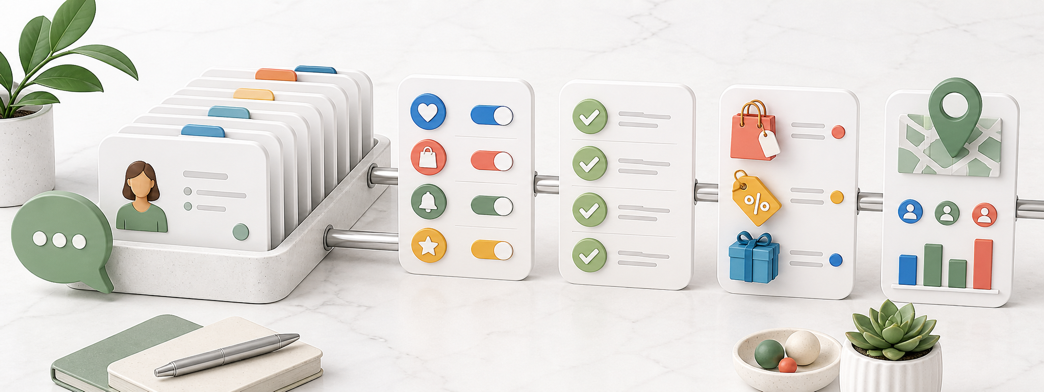
How to Segment SMS Subscribers
Segment SMS subscribers by lifecycle, behavior, consent, and purchase signals to build cleaner, better-targeted SMS audiences.
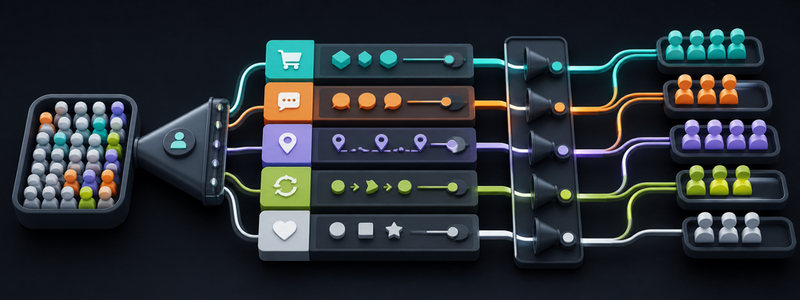
To segment SMS subscribers effectively, start by defining the campaign goal, then group contacts by consent status, lifecycle stage, behavior, purchase history, engagement, and location. The strongest sms audience segmentation process is not built around complex filters first; it is built around a practical question: which subscribers should receive this message right now, and which subscribers should be excluded?
For B2B and ecommerce teams, segmentation makes SMS more useful because it turns a phone number list into actionable audiences. A subscriber who just joined, a customer who clicked three product messages, and a buyer who has not returned in 90 days should not receive the same text.
How to segment SMS subscribers step by step
1. Start with the business outcome
Define whether the campaign is meant to acquire first-time buyers, recover abandoned carts, retain customers, increase repeat purchases, promote a local event, or reactivate inactive subscribers. The goal determines which data matters.
2. Clean the subscriber database
Before building audiences, confirm that phone numbers, opt-in records, regions, language preferences, and subscription status are reliable. A strong sms contact management process prevents campaigns from reaching invalid, unsubscribed, or mismatched contacts.
3. Choose segmentation signals
Useful signals include signup source, last purchase date, total spend, product category interest, last SMS click, cart activity, loyalty tier, location, and CRM lifecycle stage. These signals can be combined to build more specific audiences.
4. Add exclusions
Exclusions are part of good targeting. Remove recent purchasers from conversion campaigns, suppress subscribers who received another message recently, and exclude people who do not match the offer or region.
Subscriber segmentation examples
| Segment | Best message type | Why it works |
|---|---|---|
| New subscribers | Welcome message | Introduces the brand while intent is fresh |
| Clicked but did not buy | Follow-up or product education | Uses demonstrated interest |
| Cart abandoners | Reminder or checkout help | Responds to a recent buying signal |
| VIP customers | Early access | Rewards high-value behavior |
| Inactive subscribers | Reactivation campaign | Tests whether the relationship is still active |
Best practices
- Use clear segment names that describe the audience and time window.
- Prefer dynamic segments when behavior changes frequently.
- Review overlap between segments before launching campaigns.
- Measure results by segment, not only by total campaign performance.
- Keep frequency limits visible so active subscribers are not over-contacted.
Common mistakes
The most common mistake is creating segments that do not change the message. If two audiences receive the same copy, same offer, same timing, and same measurement, they may not need to be separate. Another mistake is building audiences from stale data. SMS works best when the segment reflects current behavior.
FAQ
What is the first step in SMS subscriber segmentation?
The first step is defining the campaign goal. Once the goal is clear, the team can decide which subscriber data is relevant.
What data should be used to segment SMS subscribers?
Use consent status, signup source, purchase history, engagement, product interest, location, lifecycle stage, and recent behavior.
Should SMS segments be static or dynamic?
Static segments are useful for fixed lists. Dynamic segments are better for behavior-based campaigns because they update automatically.
How many SMS segments should a business create?
Create only the segments that change targeting, copy, timing, offer, or reporting. Quality matters more than quantity.
Why are exclusions important?
Exclusions prevent irrelevant or poorly timed messages, such as sending a cart reminder to someone who already purchased.
How often should SMS segments be refreshed?
Dynamic segments should refresh continuously. Manual segments should be reviewed before every major campaign.