
 WDC Pos
 Sales Hub
 Product Hub
 Inventory Management
 Whatsapp Marketing
 Marketing Automation
 Browser Notification
 Email Marketing
 Fusion Mail
 SMS Marketing
 Fusion SMS
Marketing Automation Examples for Retail and E-Commerce
Discover how marketing automation helps retailers personalize customer journeys, automate campaigns, boost engagement, and improve marketing performance with connected data.
Marketing teams have more channels to manage than ever before. Email campaigns, SMS, loyalty programs, social media, and personalized promotions all compete for customers' attention. Managing these activities manually can quickly become time-consuming and difficult to scale.
Marketing automation helps businesses streamline repetitive tasks while delivering more timely and relevant customer experiences. Instead of sending the same message to every customer, businesses can automate personalized communication based on customer behavior, purchase history, and real-time business data.
What Is Marketing Automation?
Marketing automation uses software to automatically execute marketing activities based on predefined rules or customer actions.
Rather than manually creating every campaign, businesses can build automated workflows that respond to customer behavior throughout the buying journey.
Examples include:
- Welcome emails for new customers
- Abandoned cart reminders
- Birthday offers
- Loyalty rewards
- Product recommendations
- Re-engagement campaigns
Automation helps businesses communicate with customers at the right moment without increasing the workload for marketing teams.

Why Marketing Automation Matters
Customers expect relevant communication that reflects their interests and purchasing habits.
Marketing automation makes this possible while helping businesses:
- Save time
- Improve customer engagement
- Increase conversion rates
- Build stronger customer relationships
- Deliver more consistent marketing campaigns
As customer databases grow, automation becomes essential for maintaining personalized communication at scale.
Example 1: Welcome New Customers
The first interaction after a customer signs up is an opportunity to build trust.
An automated welcome email can introduce your brand, explain the benefits of your loyalty program, or offer a special incentive for a first purchase.
This ensures every new customer receives a consistent experience without requiring manual effort.
Example 2: Recover Abandoned Carts
Many online shoppers leave products in their cart without completing a purchase.
An automated reminder can encourage customers to return and complete their order. These messages often include the products left behind, helpful information, or a limited-time incentive.
Cart recovery campaigns are among the most widely used marketing automation strategies in e-commerce.
Example 3: Recommend Relevant Products
Purchase history provides valuable insight into customer preferences.
Automation can recommend complementary products, frequently purchased items, or new arrivals that match previous buying behavior.
Relevant recommendations create a more personalized shopping experience while increasing opportunities for additional sales.
Example 4: Reward Loyal Customers
Loyal customers deserve a different experience than first-time buyers.
Marketing automation can recognize repeat purchases, milestone achievements, or loyalty program activity and automatically deliver exclusive offers, rewards, or early access to new products.
Recognizing loyal customers helps strengthen long-term relationships.
Example 5: Re-Engage Inactive Customers
Not every customer remains active.
Automation can identify customers who have not made a purchase for a specific period and trigger campaigns designed to bring them back.
These campaigns may include personalized recommendations, exclusive promotions, or reminders about products they previously purchased.
Example 6: Promote Seasonal Campaigns
Retail businesses often run campaigns around holidays, seasonal events, or major sales periods.
Marketing automation helps schedule promotions in advance and ensures the right customers receive relevant messages at the appropriate time.
This reduces manual work while improving campaign consistency across multiple marketing channels.
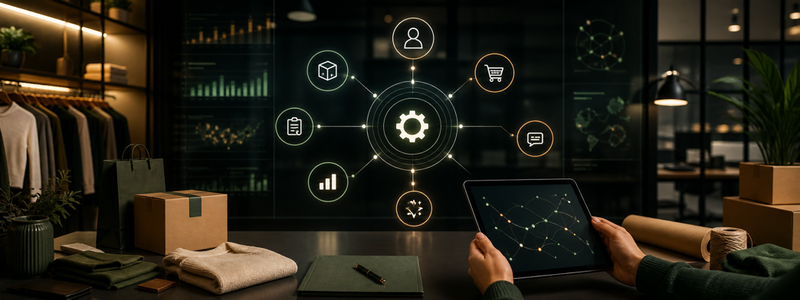
Connect Marketing with Business Data
The most effective marketing automation strategies rely on accurate, connected data.
When customer profiles, purchase history, inventory, and sales information work together, businesses can create campaigns based on real customer behavior instead of assumptions.
For example, promotions can automatically stop when products are out of stock, recommendations can reflect recent purchases, and campaigns can adapt as customer preferences change.
This connected approach leads to more relevant communication and better marketing performance.
How WDC Studio Supports Marketing Automation
WDC Studio connects customer data, sales activity, inventory, and business insights within a single platform.
With centralized data and real-time visibility, businesses can build smarter marketing workflows, create personalized customer experiences, and automate repetitive marketing tasks based on real customer behavior.
By connecting marketing with the rest of the business, WDC Studio helps teams improve campaign performance while reducing manual effort.
Make Every Customer Interaction More Relevant
Marketing automation is not about sending more messages. It is about sending better ones.
By automating routine marketing activities and using connected business data to personalize communication, retailers and e-commerce businesses can engage customers more effectively throughout their buying journey.
The result is a more efficient marketing process, stronger customer relationships, and campaigns that deliver measurable business value.