 WDC Pos
 Sales Hub
 Product Hub
 Inventory Management
 Whatsapp Marketing
 Marketing Automation
 Browser Notification
 Email Marketing
 Fusion Mail
 SMS Marketing
 Fusion SMS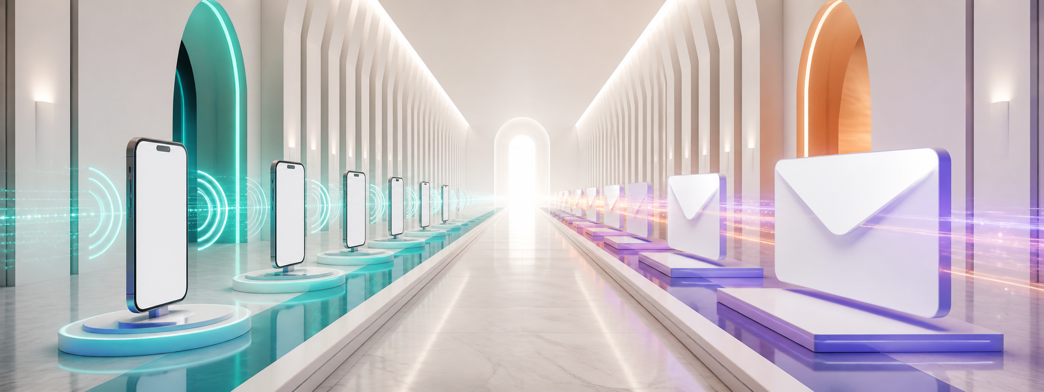
SMS Marketing vs Email Marketing
A long-form guide to sms marketing vs email marketing with practical SMS strategy, automation, segmentation, measurement, and implementation advice.
SMS marketing is a practical growth and customer communication discipline for teams that need timely, permission-based conversations with subscribers, shoppers, leads, and existing customers. In the context of SMS Marketing vs Email Marketing, the goal is not to send more messages; the goal is to send more useful messages at the moments when a customer is most likely to need a reminder, confirmation, offer, update, or next step.
This guide explains sms marketing vs email marketing from a B2B SaaS and ecommerce operations perspective. It covers definitions, workflows, examples, implementation steps, measurement, limitations, and common mistakes so the article can be used directly by marketing, CRM, ecommerce, and revenue teams.
SMS Marketing vs Email Marketing: quick definition
SMS Marketing vs Email Marketing refers to channel comparison, when to use SMS, when to use email, how to combine both. It usually involves a combination of consent capture, contact management, audience segmentation, message creation, automation rules, delivery monitoring, and performance reporting. A mature program connects SMS to ecommerce, CRM, support, analytics, and customer data systems rather than managing phone numbers in isolation.
The strongest SMS programs are built around customer context. A new subscriber, cart abandoner, first-time buyer, VIP customer, inactive account, and support contact should not receive the same message just because they share a phone number. Relevance is created by combining lifecycle stage, behavior, permission status, purchase history, and campaign intent.
Why this topic matters for modern teams
SMS has a different role from email, ads, social media, and onsite personalization. It is short, immediate, and personal. That makes it valuable for high-intent moments, but it also means weak targeting can quickly feel intrusive. Teams should treat SMS as a relationship channel, not a shortcut for broadcasting every promotion.
For B2B and ecommerce teams, sms marketing vs email marketing matters because customer journeys are increasingly fragmented. A buyer might discover a product through search, subscribe through a landing page, abandon a cart on mobile, receive an email later, and complete the purchase after a text reminder. SMS works best when it is coordinated with this larger customer journey.
| Business need | How SMS helps | Operational requirement |
|---|---|---|
| Time-sensitive action | Sends a concise message close to the decision moment | Clear consent, timing rules, and suppression logic |
| Customer support clarity | Delivers order, account, appointment, or service updates | Reliable data triggers and accurate templates |
| Revenue recovery | Brings high-intent customers back to checkout or account actions | Behavior-based segmentation and conversion tracking |
| Retention and loyalty | Supports replenishment, VIP access, rewards, and lifecycle reminders | Customer history, preferences, and frequency controls |
How sms marketing vs email marketing works
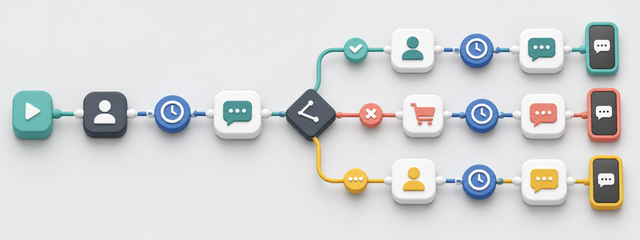
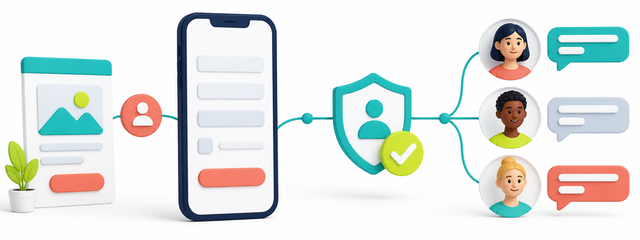
A modern SMS workflow starts with a compliant opt-in. The customer should understand what they are subscribing to, who is sending the message, and how they can opt out. Once consent is captured, the contact record should store source, timestamp, region, language, subscription status, and any preferences that influence message eligibility.
After consent, teams define audiences. This is where business text messaging becomes important. A campaign can be grouped by purchase behavior, product interest, lifecycle stage, last engagement, location, order status, loyalty tier, or custom CRM attributes. The audience decision should happen before copywriting because the message should answer a specific customer need.
The third step is message design. SMS copy should be concise, but it still needs enough context to be trusted. A good message makes the sender clear, explains why the customer is receiving it, and gives one primary action. If a message tries to educate, sell, remind, and cross-sell at the same time, it usually becomes weaker.
The final step is reporting. Delivery, clicks, conversion, revenue, opt-outs, response quality, and segment performance should be reviewed together. A campaign that produces revenue but causes unusually high opt-outs may not be healthy. A campaign with modest short-term revenue but strong retention or support impact may still be valuable.
Core use cases and examples
The right use case depends on the customer moment. In ecommerce, SMS often supports checkout recovery, product drops, order updates, loyalty rewards, and replenishment reminders. In service businesses, it can support appointments, account updates, lead follow-up, onboarding reminders, or time-sensitive notices.
| Use case | Trigger | Good message approach | Risk to avoid |
|---|---|---|---|
| Welcome series | New opt-in or account creation | Set expectations and invite one useful next action | Overloading the first message with too many offers |
| Abandoned cart | Cart or checkout event without purchase | Remind, reduce friction, and link back to checkout | Sending after the customer already purchased |
| Product or offer launch | Campaign calendar plus segment eligibility | Match the launch to demonstrated interest | Sending every promotion to every subscriber |
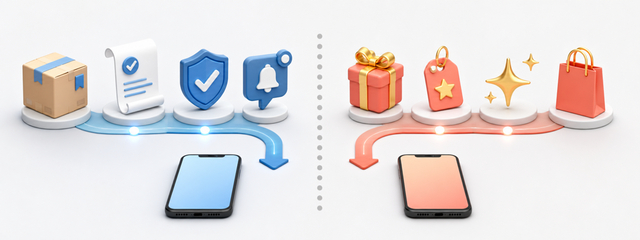
| Post-purchase support | Order, delivery, or service milestone | Give clear, timely information | Mixing service updates with hidden promotions |
| Win-back | Inactive period or reduced engagement | Give a relevant reason to return | Using discounts without understanding why the customer stopped |
Implementation framework
Implementation should be planned as a system, not just a campaign calendar. Teams need a clear data model, consent process, workflow builder, reporting layer, and operating rules. The platform should support mobile marketing, segmentation, automation, templates, scheduling, delivery reports, and integration with the systems where customer behavior already lives.
- Define the business objective for each SMS program: acquisition, conversion, service, retention, reactivation, or loyalty.
- Map the required data sources, such as checkout events, order history, product catalog data, CRM stages, support events, and customer preferences.
- Document opt-in language, consent source, opt-out handling, and regional requirements before launching campaigns.
- Create audience rules that include eligibility, exclusions, frequency caps, language, region, and lifecycle stage.
- Build templates that are short, specific, and tied to one action.
- Test each workflow with sample contacts before turning it on for the full audience.
- Review performance by segment, not only total campaign revenue.
Segmentation and personalization
Segmentation is what separates useful SMS from generic broadcasting. A subscriber who bought last week should be treated differently from someone who has not purchased in six months. A customer who browsed one product category should not automatically receive every category promotion. Segmentation makes the message feel connected to the customer’s current context.
Personalization should be used carefully. It can include product category, purchase timing, loyalty status, location, language, account status, or recent behavior. But personalization should not expose sensitive information or make the customer wonder how much the brand knows. A good rule is simple: use data only when it makes the message more helpful.
| Segment type | Example audience | Useful SMS idea |
|---|---|---|
| Lifecycle | New subscriber, first-time buyer, repeat buyer, inactive customer | Welcome, education, loyalty, or win-back message |
| Behavior | Viewed product, abandoned cart, clicked campaign, ignored recent messages | Relevant reminder or suppression from irrelevant campaigns |
| Value | VIP, high average order value, loyal customer, low-frequency buyer | Early access, replenishment, reward, or support-focused message |
| Preference | Language, location, message category, channel preference | Localized or preference-aware campaign timing |
Automation and timing
SMS campaign management is useful when the customer action itself should trigger the next message. Examples include cart abandonment, completed purchase, delivery update, appointment reminder, back-in-stock event, subscription renewal, trial milestone, or inactivity period. Automation reduces manual work, but it also requires clear guardrails.
Timing should be tested with customer experience in mind. Faster is not always better. A cart reminder sent too soon can feel aggressive; a replenishment reminder sent too late misses the purchase window. The best timing usually depends on buying cycle, product category, urgency, and customer expectation.
Suppression rules are just as important as triggers. Recent purchasers, recent recipients, opted-out contacts, support-sensitive cases, and customers already inside another workflow may need to be excluded. These rules prevent overlapping messages and protect the credibility of the channel.
Measurement and reporting
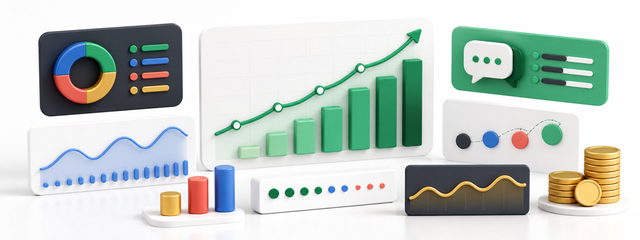
Measurement should connect campaign performance to customer behavior. Basic reporting includes delivery status, click rate, conversion, revenue, unsubscribes, and failed messages. Strong reporting also shows performance by segment, workflow, lifecycle stage, product category, and opt-in source.
Teams should avoid judging SMS by revenue alone. Opt-out rate, frequency pressure, customer support volume, repeat purchase rate, and downstream behavior matter as well. If a campaign gets clicks but increases unsubscribes among valuable customers, it may need tighter targeting or a better offer.
| Metric | What it shows | How to use it |
|---|---|---|
| Delivery rate | Whether messages are reaching valid numbers | Clean data and investigate carrier or formatting issues |
| Click rate | Whether the message creates interest | Compare by segment and message angle |
| Conversion | Whether the click leads to action | Check landing page, offer fit, and checkout friction |
| Opt-out rate | Whether the audience finds the message unwanted | Adjust frequency, targeting, and campaign value |
| Revenue or value | Commercial impact | Measure alongside cost and long-term retention |
Compliance, consent, and trust
SMS programs should be designed with permission and transparency at the center. This article is not legal advice, but operationally, teams should maintain consent records, provide clear opt-out paths, respect customer preferences, and separate service messages from promotional campaigns. Local rules can vary, so legal review may be required for regulated markets or cross-border programs.
Trust is also a performance factor. Customers are more likely to stay subscribed when messages are expected, relevant, and easy to control. That means opt-out handling should be fast and consistent, preference centers should be simple, and the sender identity should be recognizable.
Common mistakes
- Treating SMS like a smaller version of email instead of a channel with its own customer expectation.
- Sending the same message to the full list without lifecycle, behavior, or value-based segmentation.
- Using discounts too often and training customers to wait for text-message promotions.
- Ignoring opt-outs, failed delivery, and negative engagement because short-term revenue looks positive.
- Launching automated workflows without exclusions for recent purchasers or customers in other journeys.
- Failing to document consent source, message purpose, and opt-out handling before scaling campaigns.
Best-practice checklist
- Use a reliable email automation that connects contacts, consent, campaigns, automation, and reporting.
- Write every message for a clearly defined audience and a single next action.
- Use frequency caps and suppressions to prevent message overlap.
- Coordinate SMS with email, ads, onsite personalization, and customer support.
- Review performance by segment and workflow, not only by campaign total.
- Keep a simple governance document that explains who can send, what can be sent, and when campaigns need review.

Practical workflow example
Imagine a retailer wants to improve repeat purchases without sending constant discounts. The team starts by segmenting customers by product category, last purchase date, and predicted replenishment window. They exclude customers who opted out, customers who purchased in the last few days, and customers currently receiving a support notification.
The first message is a simple reminder that points to the relevant product category. A second message is sent only if the customer clicks but does not purchase. The reporting view compares repeat purchase rate, opt-outs, revenue, and performance by category. This approach is more controlled than sending one monthly blast to the entire list.
FAQ
What is the simplest definition of SMS Marketing vs Email Marketing?
SMS Marketing vs Email Marketing is the use of permission-based SMS workflows, campaigns, or messages to support a specific customer communication or business goal.
How is it different from bulk SMS?
Bulk SMS usually means sending a message to many recipients. A mature SMS program adds consent records, segmentation, automation, personalization, delivery reporting, and performance analysis.
What data is needed to make it work?
Useful data includes opt-in source, phone validity, lifecycle stage, order or account history, product interest, language, location, engagement, and consent status.
Can SMS be used with email and CRM?
Yes. SMS is strongest when it is connected to email, CRM, ecommerce, support, and analytics systems so the customer journey stays coordinated.
What should teams measure first?
Start with delivery, clicks, conversion, opt-outs, revenue, workflow performance, and segment-level results.
What is the main risk?
The main risk is losing customer trust through irrelevant, too frequent, or unclear messages.
How should a team start?
Start with one high-value use case, define consent and exclusions, launch to a clear segment, measure the result, and then expand carefully.
Additional operating guidance
Teams should review sms marketing vs email marketing as part of a broader customer communication calendar. SMS should not compete with email, push, ads, or support notifications; it should play a clear role within the journey. The most useful operating review asks which customer moment is being served, which audience is eligible, which contacts are excluded, and how success will be measured after the send.
A useful monthly review includes campaign outcomes, workflow outcomes, opt-out patterns, top-performing segments, low-performing segments, deliverability issues, and any customer feedback from support or sales teams. This review turns SMS from a campaign tactic into a repeatable operating system for customer engagement.
Additional operating guidance
Teams should review sms marketing vs email marketing as part of a broader customer communication calendar. SMS should not compete with email, push, ads, or support notifications; it should play a clear role within the journey. The most useful operating review asks which customer moment is being served, which audience is eligible, which contacts are excluded, and how success will be measured after the send.
A useful monthly review includes campaign outcomes, workflow outcomes, opt-out patterns, top-performing segments, low-performing segments, deliverability issues, and any customer feedback from support or sales teams. This review turns SMS from a campaign tactic into a repeatable operating system for customer engagement.