 WDC Pos
 Sales Hub
 Product Hub
 Inventory Management
 Whatsapp Marketing
 Marketing Automation
 Browser Notification
 Email Marketing
 Fusion Mail
 SMS Marketing
 Fusion SMS
What is SMS Segmentation?
Learn what SMS segmentation is, how it works, and how brands use smarter audiences to send more relevant text campaigns.
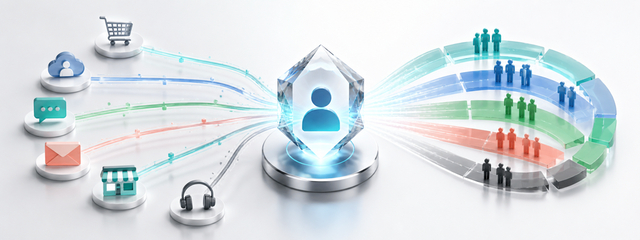
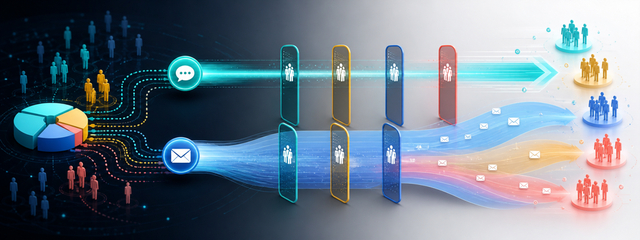
sms segmentation is the process of dividing SMS subscribers into smaller, meaningful audience groups so each text message can match the recipient’s behavior, lifecycle stage, preferences, location, and purchase intent. In practice, SMS segmentation helps B2B and ecommerce teams stop treating every contact as the same person. Instead of sending one broad campaign to an entire database, marketers can send a cart reminder to cart abandoners, a loyalty message to VIP customers, a replenishment reminder to repeat buyers, or a reactivation offer to inactive subscribers.
The main purpose of SMS segmentation is relevance. SMS is a direct channel, so irrelevant messages can feel intrusive faster than email or display ads. A segmented SMS program sends fewer, better-targeted messages and gives teams a clearer view of which audiences respond, convert, unsubscribe, or need a different approach.
What is SMS segmentation?
SMS segmentation is a customer data and campaign targeting method that groups mobile subscribers based on shared attributes or actions. These groups can be static, such as “event attendees from June,” or dynamic, such as “customers who clicked an SMS in the last 14 days but have not purchased.” Dynamic segments are especially useful because customers move between groups automatically as their behavior changes.
A segment should answer a practical marketing question: Who should receive this message, why should they receive it now, and what should happen after they click or reply? When that question is clear, the campaign becomes easier to write, easier to measure, and easier to improve.
How SMS segmentation works
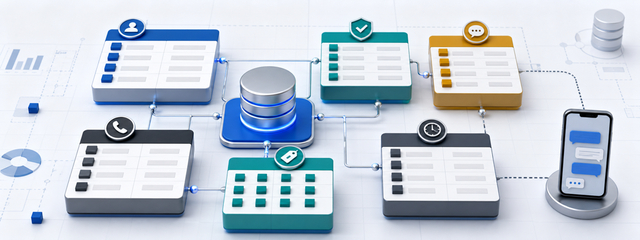
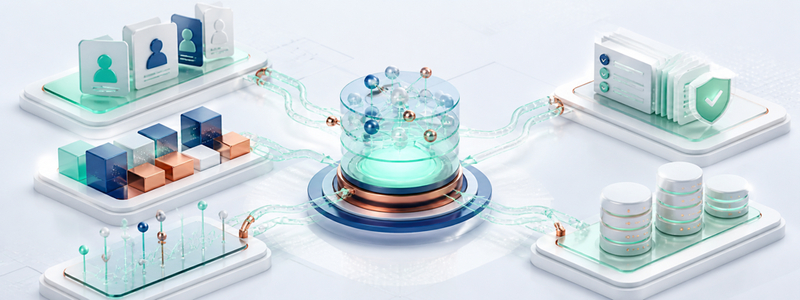
SMS segmentation usually starts with first-party customer data. A business collects subscriber information through forms, checkout flows, loyalty programs, CRM records, ecommerce behavior, campaign clicks, support interactions, and consent records. That data is then organized into fields and rules that can be used for targeting.
Common segmentation data sources
- Signup data: opt-in source, consent date, region, language, and subscriber preferences.
- Behavioral data: SMS clicks, product views, abandoned carts, browsing activity, and campaign engagement.
- Purchase data: first order date, last order date, total spend, product category, frequency, and average order value.
- Lifecycle data: new subscriber, first-time buyer, repeat customer, VIP customer, inactive customer, or churn-risk contact.
- Operational data: store location, delivery zone, appointment status, support status, or account type.
Once these fields are connected, marketers can create rules such as “subscribers who viewed a product category twice in the last 30 days,” “customers who purchased in the last 60 days but have not left a review,” or “VIP customers who should receive early access before a public launch.” A capable sms segmentation software setup makes these rules easier to build and keeps audiences updated without constant spreadsheet work.
Why SMS segmentation matters for B2B and ecommerce teams
SMS is valuable because it is immediate, but that same immediacy creates responsibility. If every subscriber receives the same text, the message may be relevant to only a small part of the list. Segmentation helps teams protect the subscriber experience while improving campaign performance.
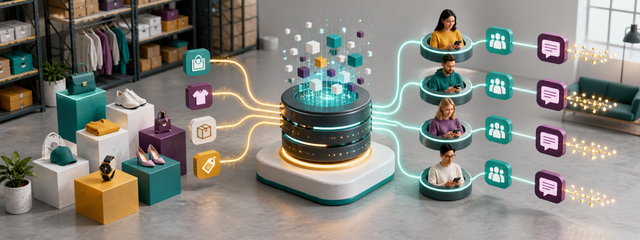
For ecommerce, segmentation can connect messages to shopping behavior, product interest, and purchase timing. For B2B SaaS, segmentation can reflect lifecycle stage, plan type, onboarding progress, renewal timing, product usage, or lead quality. In both cases, the goal is the same: send a message that fits the recipient’s current context.
SMS segmentation vs. SMS personalization
Segmentation and personalization are related, but they are not the same. Segmentation decides which audience should receive a message. Personalization adjusts the message for the individual or group.
| Concept | What it does | Example |
|---|---|---|
| SMS segmentation | Groups subscribers by shared data or behavior | Customers who abandoned a cart in the last 24 hours |
| SMS personalization | Adapts message content to the recipient | Including the product name or local store in the message |
| SMS automation | Sends messages when rules or events are triggered | Sending a delivery update after an order status changes |
The strongest SMS programs use all three together. A segment identifies the right audience, personalization makes the message more useful, and automation delivers it at the right moment.
Practical SMS segment examples
Useful segments are usually tied to a specific business action. A segment that cannot influence copy, timing, offer, or reporting may be too vague.
- New subscribers: send a welcome message, explain the value of SMS updates, or offer a first-purchase incentive.
- Engaged non-buyers: follow up with education, social proof, or a limited offer after they click but do not purchase.
- Cart abandoners: remind subscribers of items left behind and remove them automatically after purchase.
- Recent buyers: send delivery updates, product care tips, review requests, or cross-sell recommendations.
- VIP customers: offer early access, private drops, loyalty rewards, or priority support.
- Inactive subscribers: test a reactivation message, reduce frequency, or suppress them from standard promotions.
Best practices for SMS segmentation
Good segmentation is not about creating as many groups as possible. It is about creating groups that improve decisions. Start with the segments most likely to change what you send, when you send it, and how you measure success.
- Start with the campaign goal. Define whether the campaign is for acquisition, conversion, retention, loyalty, or reactivation.
- Use first-party data. Prioritize data collected directly from subscribers, purchases, clicks, and CRM activity.
- Add exclusions. Remove opt-outs, recent purchasers, over-contacted subscribers, and audiences that do not match the offer.
- Keep segment names clear. A teammate should understand the audience from the segment name alone.
- Review performance by segment. Measure clicks, conversions, revenue, unsubscribes, and repeat engagement separately.
Common mistakes to avoid
The most common mistake is over-segmenting before the data is clean. Complex filters built on inconsistent fields can create audiences that look precise but perform poorly. Another mistake is forgetting exclusions. A cart abandonment message sent after a purchase or a discount sent immediately after a full-price order can reduce trust.
Teams should also avoid keyword-driven or promotion-only messaging. Subscribers do not care that a brand has a segment; they care whether the message helps them. Segmentation should improve timing and relevance, not create more noise.

FAQ
What is SMS segmentation in simple terms?
SMS segmentation means dividing SMS subscribers into smaller groups based on data such as behavior, purchase history, lifecycle stage, location, or engagement. It helps teams send more relevant text messages instead of sending the same campaign to everyone.
Why is SMS segmentation important?
SMS segmentation is important because SMS is a direct and high-attention channel. Relevant messages can improve engagement and customer experience, while irrelevant messages can increase opt-outs or reduce trust.
What data do you need for SMS segmentation?
Useful data includes opt-in source, consent status, location, purchase history, product interest, SMS clicks, cart activity, lifecycle stage, total spend, and last engagement date.
How is SMS segmentation different from personalization?
Segmentation chooses the audience. Personalization adapts the message for that audience or individual. For example, segmentation may target cart abandoners, while personalization may mention the product left in the cart.
Can SMS segments update automatically?
Yes. Dynamic segmentation allows subscribers to enter or leave audiences automatically based on behavior, timing, purchases, or engagement changes.
What are the best SMS segments to start with?
Most teams should start with new subscribers, cart abandoners, recent buyers, VIP customers, inactive subscribers, and engaged non-buyers because these groups support clear campaign actions.
Is SMS segmentation useful for B2B SaaS?
Yes. B2B SaaS teams can segment by lead stage, account type, product usage, onboarding status, renewal timing, event attendance, or CRM activity.
How often should SMS segments be reviewed?
Review active segments at least monthly, and after major campaigns. Check audience size, performance, overlap, opt-outs, and whether the rules still match the business goal.