 WDC Pos
 Sales Hub
 Product Hub
 Inventory Management
 Whatsapp Marketing
 Marketing Automation
 Browser Notification
 Email Marketing
 Fusion Mail
 SMS Marketing
 Fusion SMS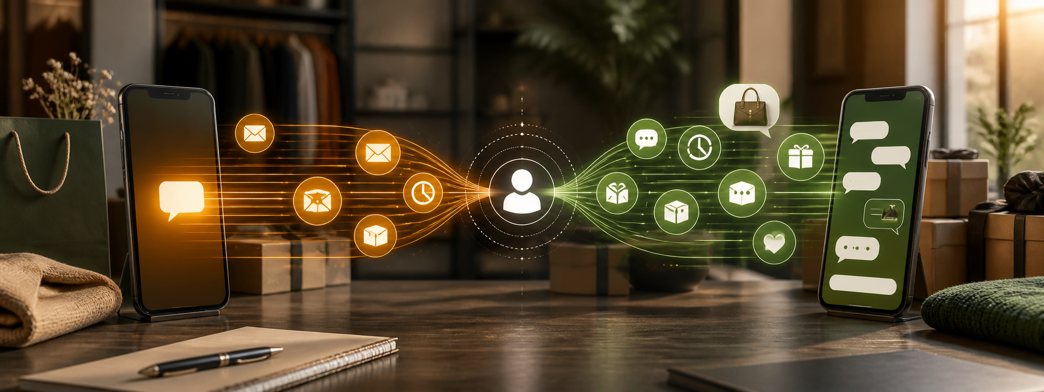
WhatsApp Marketing vs SMS Marketing: Which One Should Businesses Use?
Compare WhatsApp and SMS for business communication. Learn when to use each channel to improve customer engagement, personalization, and marketing performance.
Reaching customers at the right time is one of the biggest challenges in modern marketing. While email remains an important communication channel, messaging platforms have become increasingly valuable for businesses that want to deliver timely updates, promotions, and personalized customer experiences.
Two of the most popular options are WhatsApp and SMS. Both allow businesses to communicate directly with customers, but they serve different purposes and offer different advantages.
Understanding when to use each channel can help businesses build more effective communication strategies.

Understanding the Difference
Although both WhatsApp and SMS are messaging channels, they offer very different customer experiences.
SMS is supported by virtually every mobile phone and does not require an internet connection. Messages are simple, fast, and ideal for time-sensitive communication.
WhatsApp, on the other hand, allows businesses to send rich, interactive messages that can include images, videos, documents, buttons, and product catalogs. Customers can also reply directly, creating a more conversational experience.
The right choice depends on your audience, your goals, and the type of communication you want to deliver.
When SMS Works Best
SMS remains an effective channel for short and urgent messages.
Businesses commonly use SMS for:
- Appointment reminders
- Delivery notifications
- One-time verification codes
- Payment confirmations
- Time-sensitive alerts
Because SMS does not rely on an internet connection or a messaging app, it offers broad reach and reliable delivery.
When WhatsApp Is the Better Choice
WhatsApp is designed for richer customer engagement.
It works particularly well for businesses that want to build ongoing conversations with customers rather than simply sending notifications.
Common use cases include:
- Personalized promotions
- Product recommendations
- Customer support
- Order updates
- Loyalty program communication
- Event invitations
With multimedia content and interactive messaging, WhatsApp allows businesses to create a more engaging customer experience.
Customer Engagement and Personalization
One of WhatsApp's biggest advantages is its ability to support personalized communication.
Businesses can tailor messages based on customer preferences, purchase history, or previous interactions. Images, product links, and quick reply buttons make conversations more interactive than traditional SMS.
SMS can also be personalized using customer names or basic account information, but it offers fewer opportunities for rich engagement.
Consider Customer Preferences
Not every customer prefers the same communication channel.
Some customers appreciate receiving promotions through WhatsApp, while others prefer the simplicity of SMS for important updates.
Giving customers the ability to choose how they receive communications can improve engagement while strengthening trust.
Respecting customer preferences also helps businesses maintain more meaningful relationships over time.
Use the Right Channel for the Right Message
Instead of choosing one channel exclusively, many businesses benefit from using both.
For example:
- Send delivery confirmations by SMS to ensure immediate visibility.
- Use WhatsApp for personalized offers and product recommendations.
- Share loyalty rewards through WhatsApp with rich visuals.
- Send urgent service notifications through SMS.
- Continue customer support conversations on WhatsApp.
Matching the communication channel to the purpose of the message creates a better customer experience and improves overall marketing effectiveness.

Connect Messaging with Customer Data
Messaging campaigns become more valuable when they are supported by connected business data.
When customer profiles, purchase history, loyalty activity, and sales information are available in one place, businesses can deliver more relevant and timely communication.
Rather than sending generic campaigns, marketing teams can create messages that reflect each customer's relationship with the business.
How WDC Studio Supports Customer Communication
WDC Studio brings together customer information, sales activity, and business insights in a centralized platform, helping businesses build more personalized communication strategies.
By connecting customer data across multiple business systems, WDC Studio enables marketing teams to create targeted campaigns, better understand customer behavior, and improve engagement across different communication channels.
With real-time visibility and connected data, businesses can deliver more relevant customer experiences while reducing manual effort.
Build a Communication Strategy That Fits Your Customers
The choice between WhatsApp and SMS is not about finding a single winner. It is about understanding which channel best supports each type of customer interaction.
SMS remains an excellent option for fast, essential communication, while WhatsApp offers richer experiences that help businesses build stronger customer relationships.
By combining both channels with accurate customer data and thoughtful marketing strategies, businesses can improve engagement, strengthen loyalty, and communicate with customers more effectively.