 WDC Pos
 Sales Hub
 Product Hub
 Inventory Management
 Whatsapp Marketing
 Marketing Automation
 Browser Notification
 Email Marketing
 Fusion Mail
 SMS Marketing
 Fusion SMS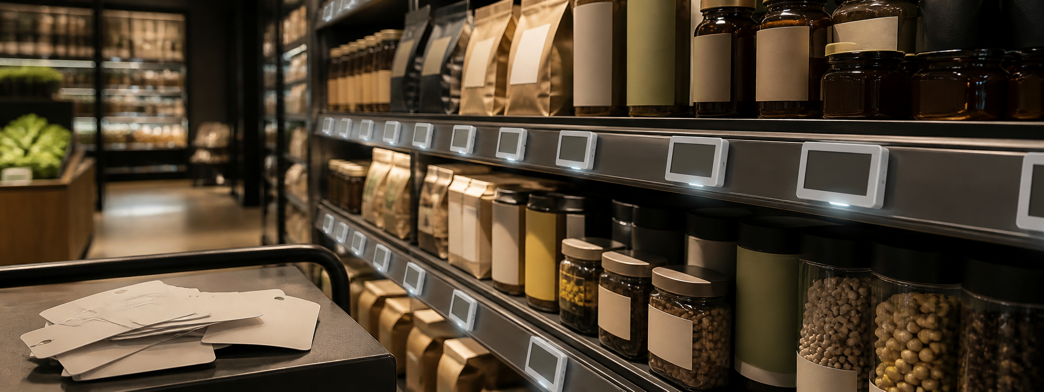
Digital Price Screens: Benefits for Retail Stores
Discover how digital price screens (ESLs) improve pricing accuracy, automate price updates, enhance customer experience, and streamline retail operations.
Retail pricing changes more frequently than ever. Promotions, supplier costs, seasonal campaigns, and inventory levels all influence how products are priced. For retailers still relying on printed price tags, keeping prices accurate can be a time-consuming and error-prone process.
Digital price screens, also known as Electronic Shelf Labels (ESLs), provide a smarter way to manage pricing. They allow retailers to update prices instantly across the store while improving operational efficiency and creating a better shopping experience.
What Are Digital Price Screens?
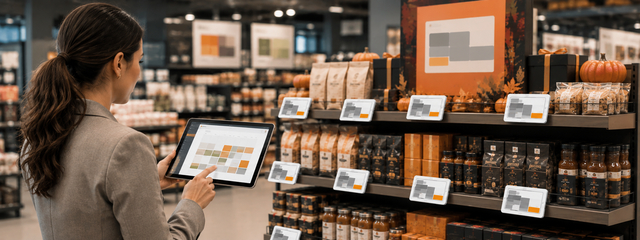
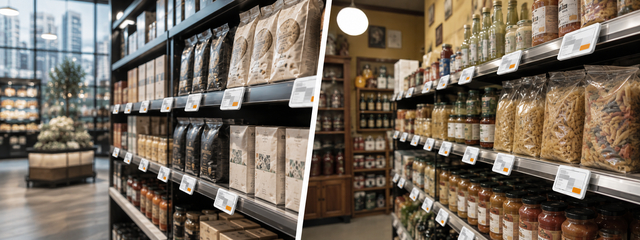
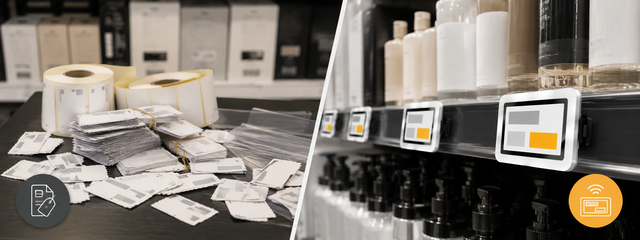
Digital price screens are electronic displays attached to store shelves that replace traditional paper price tags.
Connected to a centralized management system, these displays can automatically update product information without requiring employees to replace labels manually.
Depending on the solution, digital price screens can display:
- Product prices
- Promotions
- Product names
- Barcodes
- QR codes
- Stock information
- Product attributes
This ensures customers always see accurate and up-to-date information while shopping.

Eliminate Manual Price Updates
Changing hundreds or even thousands of paper labels can take hours.
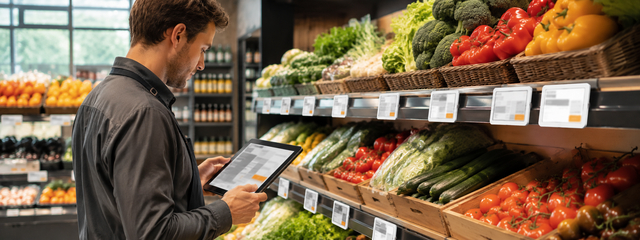
With digital price screens, retailers can update prices across every shelf in seconds from a centralized platform.
This reduces manual work while ensuring pricing remains consistent throughout the store.
Employees can spend less time replacing labels and more time assisting customers or managing other operational tasks.
Improve Pricing Accuracy
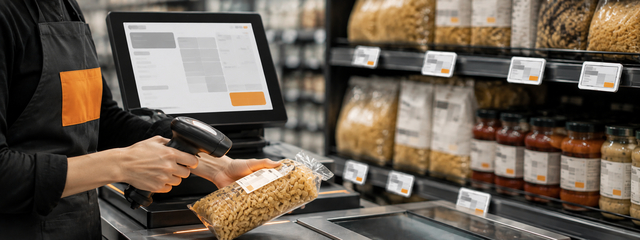
Pricing discrepancies between the shelf and the checkout can lead to customer frustration and operational challenges.
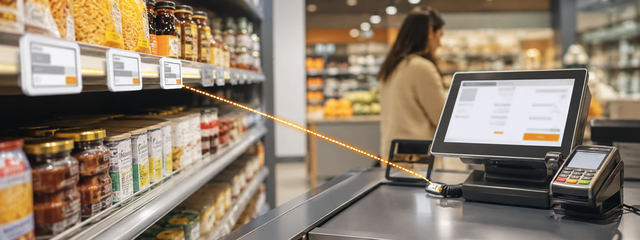
Because digital price screens synchronize directly with pricing systems, displayed prices stay aligned with the latest product information.
Accurate pricing helps retailers:
- Reduce pricing errors
- Improve customer trust
- Simplify price management
- Maintain consistency across locations
Reliable pricing creates a smoother shopping experience for both customers and store employees.
Respond Faster to Market Changes
Retail pricing often changes throughout the day due to promotions, competitor activity, or inventory conditions.
Digital price screens allow businesses to react immediately without waiting for staff to replace paper labels.
Retailers can quickly:
- Launch promotional campaigns
- Update seasonal pricing
- Adjust prices across multiple stores
- Apply time-based promotions
- Respond to changing inventory levels
This flexibility supports more dynamic pricing strategies.
Support a Better Customer Experience
Customers want clear, accurate, and easy-to-read product information.
Digital price screens improve the shopping experience by providing consistent pricing and reducing confusion caused by outdated labels.
Some retailers also use digital displays to highlight promotions, loyalty offers, or additional product information that helps customers make purchasing decisions.
Increase Operational Efficiency
Managing thousands of price labels manually requires significant time and resources.
Digital price screens simplify store operations by automating routine pricing tasks.
The result is:
- Less manual work
- Faster price updates
- Lower operational costs
- Improved staff productivity
- Greater pricing consistency
Automation allows store teams to focus on activities that directly improve customer service.
Connect Pricing with Business Data
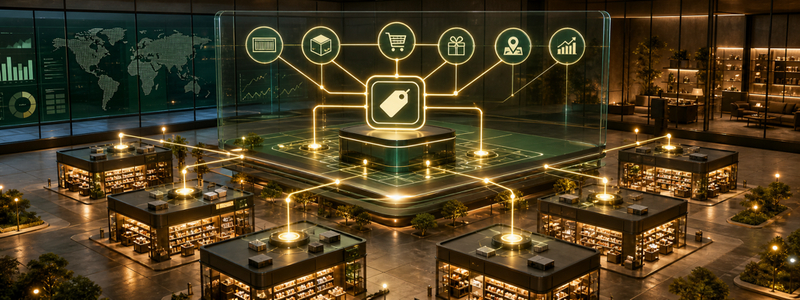
Digital price screens become even more valuable when connected with inventory, sales, and business management systems.
For example, pricing can automatically reflect promotional campaigns, inventory levels, or product availability without requiring separate updates.
This creates a more connected retail environment where pricing decisions are supported by real-time business data.
Scale Across Multiple Store Locations
Retailers operating multiple stores often face challenges when implementing price changes consistently.
Digital price screens make it possible to manage pricing across every location from a centralized platform.
Whether updating one product or thousands, businesses can maintain pricing consistency while reducing the time required to implement changes across the entire retail network.
How WDC Studio Supports Smart Retail Pricing
WDC Studio connects digital price screens with sales, inventory, promotions, and business operations through a centralized platform.
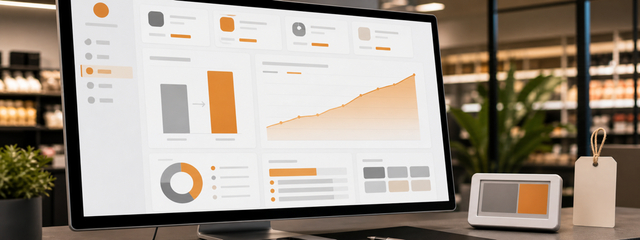
By synchronizing pricing data in real time, retailers can automate price updates, maintain consistency across stores, and respond quickly to changing business conditions. Connected dashboards also provide greater visibility into pricing performance, inventory levels, and promotional activity.
With WDC Studio, digital price screens become more than electronic labels. They become part of a connected retail ecosystem that improves efficiency and supports smarter business decisions.
Modern Pricing Starts with Connected Technology
Digital price screens help retailers move beyond manual pricing processes and create a more responsive, efficient store environment.
By combining automated price updates with connected business data, retailers can improve pricing accuracy, reduce operational workload, and deliver a better shopping experience.
As retail continues to evolve, digital pricing technology is becoming an essential tool for businesses that want to operate more efficiently and respond faster to customer and market demands.