 WDC Pos
 Sales Hub
 Product Hub
 Inventory Management
 Whatsapp Marketing
 Marketing Automation
 Browser Notification
 Email Marketing
 Fusion Mail
 SMS Marketing
 Fusion SMS
How to Manage Products Across Multiple Sales Channels
Learn how to manage products across multiple sales channels with centralized product management, real-time inventory synchronization, pricing consistency, and automation.
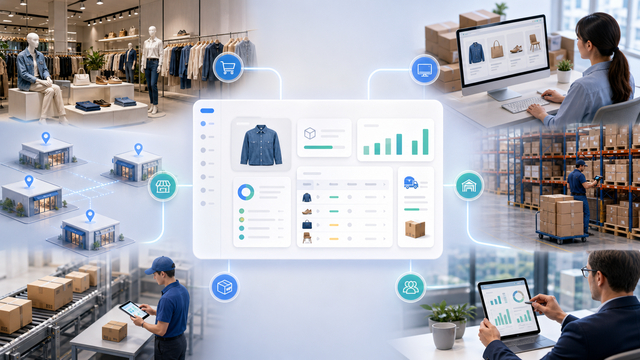
Modern customers interact with brands through many different touchpoints. They might discover a product on your website, compare prices on a marketplace, visit your physical store, and complete their purchase through a mobile app. No matter where they shop, they expect the same product information, pricing, and availability.
For businesses, meeting these expectations requires more than simply selling on multiple platforms. It requires a centralized way to manage products, inventory, and pricing across every sales channel.
Without the right system, product data quickly becomes inconsistent, inventory falls out of sync, and teams spend valuable time making manual updates.
Why Multi-Channel Product Management Is Important
Expanding into multiple sales channels helps businesses reach new customers and increase revenue. However, every additional channel also introduces more complexity.
Some of the most common challenges include:
- Inconsistent product information
- Inventory discrepancies
- Manual pricing updates
- Duplicate product listings
- Time-consuming administrative tasks
- Higher risk of human error
As your business grows, managing these processes manually becomes increasingly difficult.
Create a Single Source of Truth
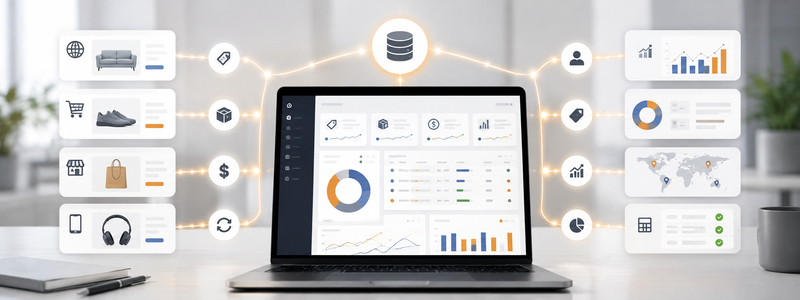
Successful multi-channel businesses rely on one centralized product database.
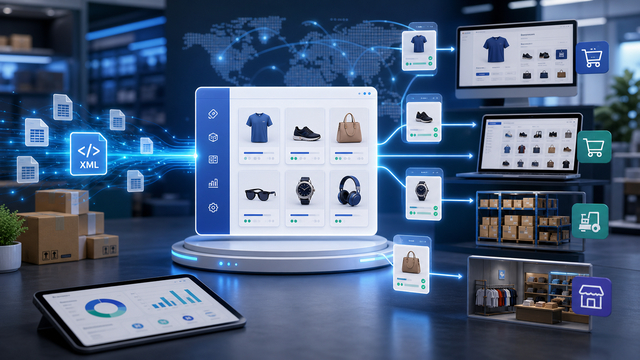
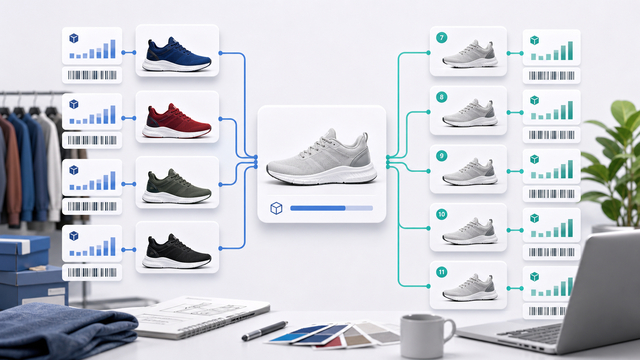
Instead of maintaining separate product information for each platform, all product details are managed in one place. This includes product names, descriptions, images, pricing, categories, SKUs, variants, and inventory levels.
Whenever product information changes, the update is automatically reflected across connected sales channels. This keeps your catalog accurate while reducing repetitive work.
Keep Inventory Synchronized
Inventory management is one of the biggest challenges in multi-channel selling.
Imagine selling your last product in your retail store while an online marketplace still shows it as available. Situations like this lead to canceled orders, frustrated customers, and lost trust.
Real-time inventory synchronization helps prevent these issues by updating stock levels immediately after every transaction.
The benefits include:
- Accurate stock visibility
- Fewer overselling incidents
- Better customer satisfaction
- Reduced manual inventory adjustments
Maintain Consistent Pricing
Updating prices individually across multiple platforms is both time-consuming and risky.
Whether you are launching a promotion, adjusting supplier costs, or introducing a new pricing strategy, updates should happen from a single location.
Centralized pricing management helps businesses:
- Apply consistent pricing across channels
- Launch promotions faster
- Reduce pricing errors
- Protect brand credibility
Deliver Consistent Product Information
Customers expect accurate and consistent product information wherever they shop.
Different product titles, outdated descriptions, or missing images can create confusion and reduce confidence in your brand.
Managing product information centrally ensures consistency across:
- Product titles
- Images
- Descriptions
- Specifications
- Categories
- Product attributes
- Technical details
Consistent product data also improves discoverability on marketplaces and enhances the overall customer experience.
Automate Repetitive Tasks
Many businesses still rely on spreadsheets or manual uploads to manage product data.
Automation eliminates repetitive work and allows teams to focus on higher-value activities.
Examples include:
- Product publishing
- Inventory synchronization
- Price updates
- Category mapping
- Supplier data imports
- Product status updates
Automation improves efficiency while reducing the likelihood of manual errors.
Monitor Performance Across Every Channel
Managing products does not end after publishing them. Businesses also need visibility into how products perform across different sales channels.
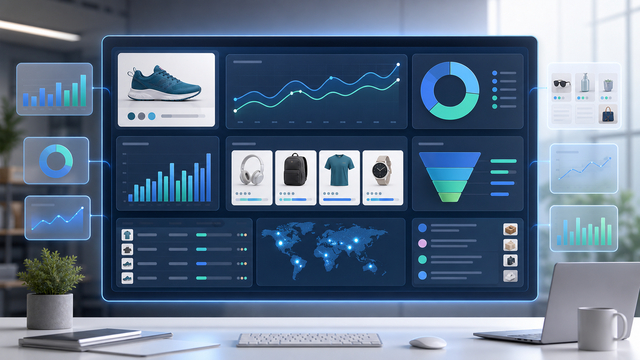
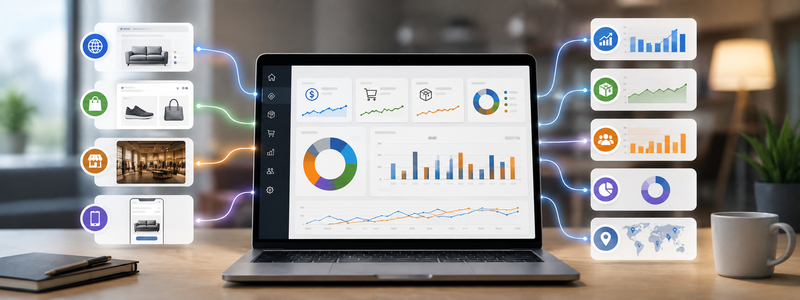
A centralized dashboard makes it easier to monitor key performance indicators such as:
- Top-selling products
- Inventory turnover
- Revenue by sales channel
- Gross margins
- Stock availability
- Product performance trends
With all this information in one place, businesses can make faster and more informed decisions.
Scale with Confidence
As businesses expand into new marketplaces, regions, or retail locations, product management becomes more demanding.
A scalable platform should simplify growth instead of creating additional complexity.
The right solution enables businesses to:
- Add new sales channels
- Manage larger product catalogs
- Support multiple store locations
- Handle increasing inventory volumes
- Maintain consistent operations across the business
This allows companies to grow efficiently without increasing manual workload.
How WDC Studio Helps
WDC Studio brings your products, inventory, and operational data together in one centralized platform.
By connecting your sales channels and business systems, WDC Studio helps you maintain accurate product information, synchronize inventory in real time, automate repetitive processes, and monitor business performance from a single dashboard.
Instead of switching between disconnected tools, your team gains complete visibility into product operations, making it easier to work efficiently and deliver a consistent customer experience.
Final Thoughts
Managing products across multiple sales channels is no longer optional for growing businesses. It is an essential part of delivering a reliable customer experience and operating efficiently.
By centralizing product data, automating routine tasks, synchronizing inventory, and monitoring performance from one platform, businesses can reduce operational complexity while preparing for long-term growth.
With the right technology in place, expanding into new sales channels becomes a strategic opportunity instead of an operational challenge.